Produce Came in Baskets With Names
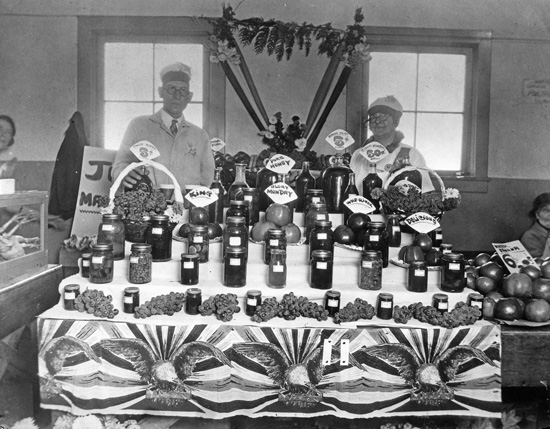
At a roadside stand, a farmers’ market, a produce house or the back of a truck, you did not buy five pounds of anything. You bought a bushel, or a half bushel, or a peck, or a half peck – and the container was the measurement.
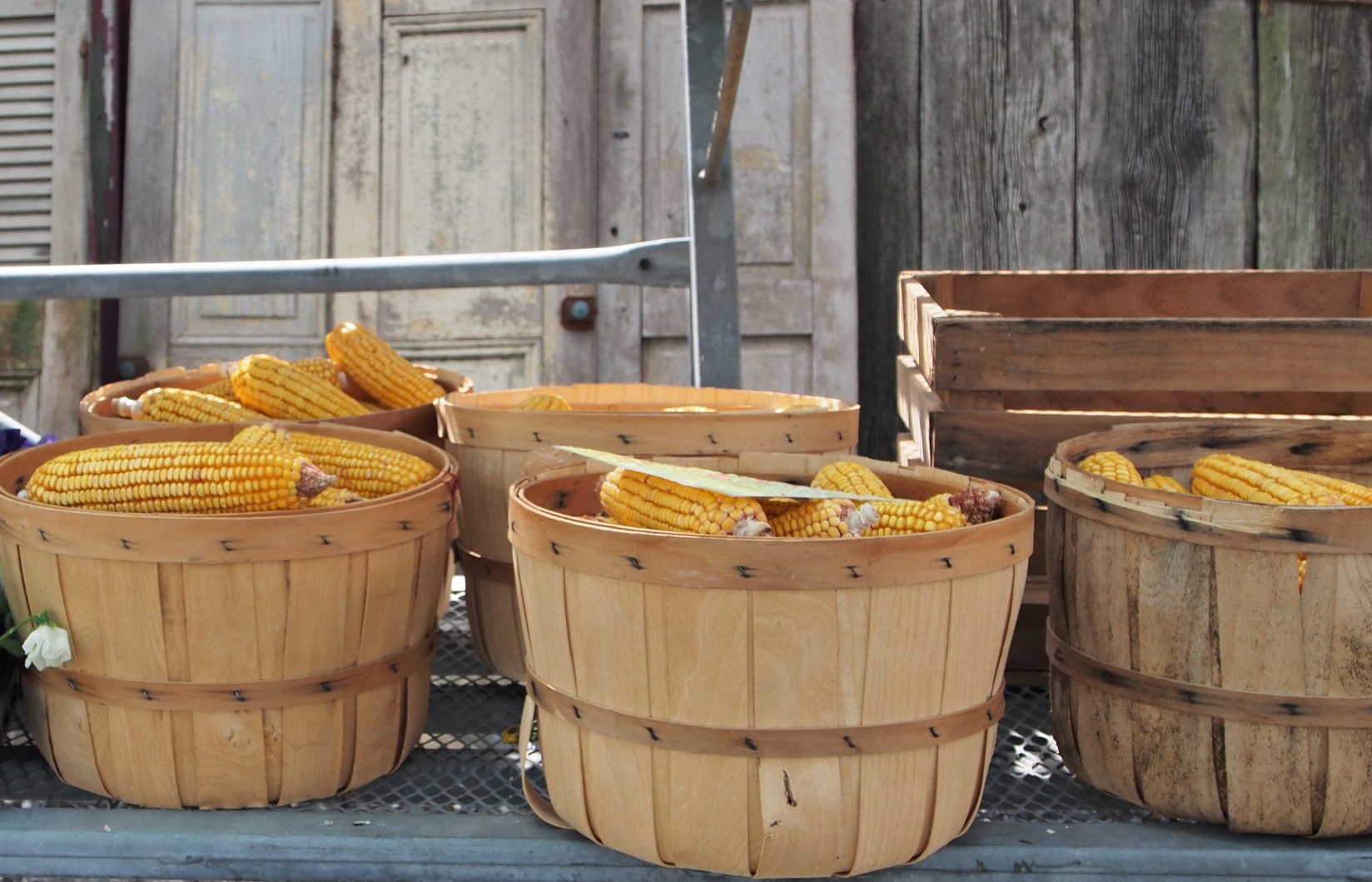
The bushel basket was a specific object: round, made of thin wood splints with a wire rim and two handholds cut into the sides, standing about a foot and a half across. A peck basket was a quarter of it, a smaller version of the same thing, and a half-peck was smaller again.
You brought your own or you paid a deposit, and the baskets came back.
Like our content? Follow us for more.
A Bushel Is a Volume and That Is the Whole Point
Here is the fact that nearly everybody now gets wrong, including people who use the word.
A bushel is not a weight. It is a unit of dry volume – a defined capacity, like a gallon, about the space taken up by eight gallons of anything.
Which means a bushel of apples and a bushel of corn do not weigh the same, and neither does a bushel of potatoes, oats, peaches, green beans or tomatoes. Apples are big and round and pack loosely with air between them; shelled corn is small and dense and packs tightly; green beans are light and springy and barely pack at all.
So the weight of a bushel ranges from something like twenty pounds for a bushel of a light leafy crop to sixty pounds or more for a bushel of a dense grain – and every single one of those is correctly a bushel.
This is why the standard weights for a bushel of each commodity had to be written into law, crop by crop, and why those tables differ slightly between states to this day. The volume is the unit; the weight had to be legislated separately for every single thing that could go in the basket.
It Was Measured by Filling the Container
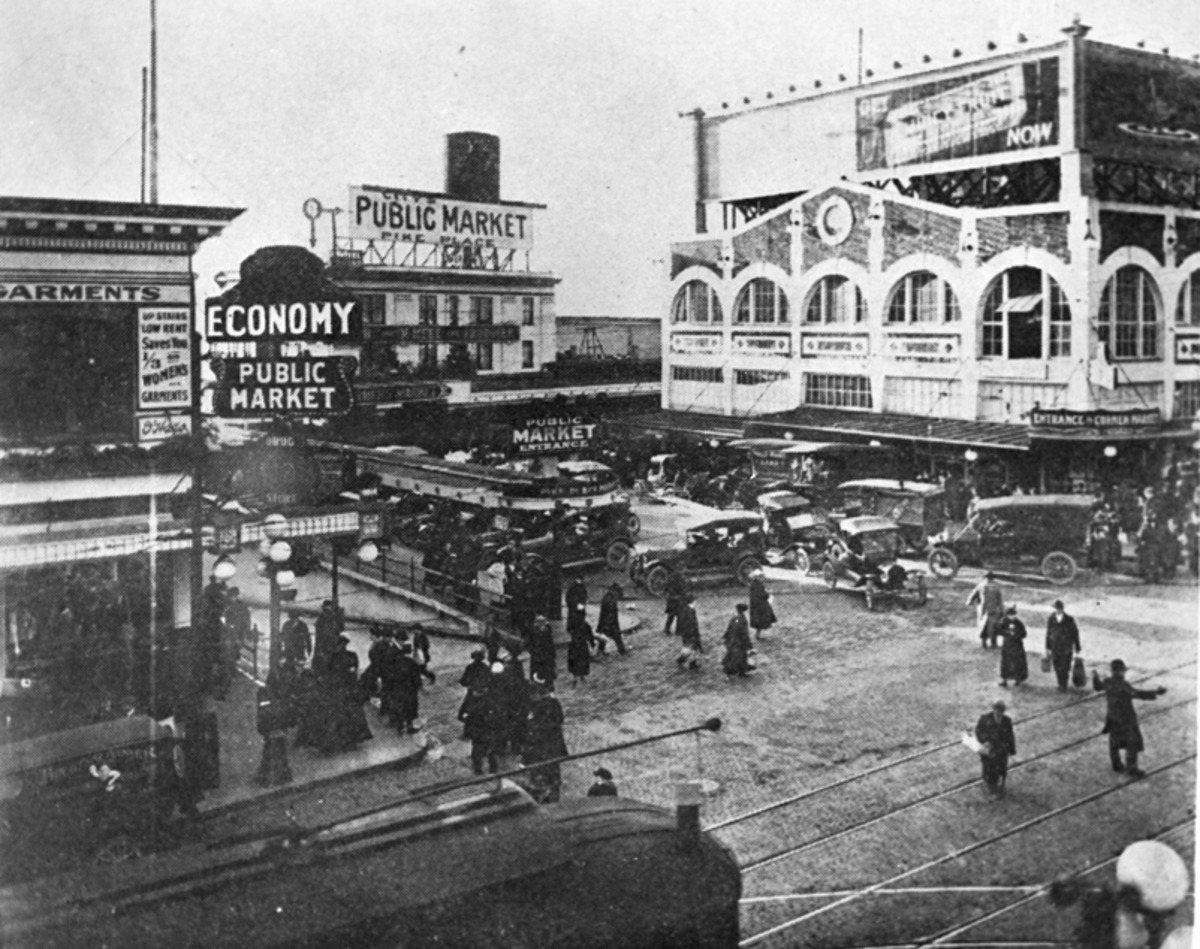
The practical method was exactly what it sounds like, and it was fast.
The basket was filled, and either struck level with the rim with a straight edge, or heaped above it depending on the crop and the custom – and a heaped bushel is genuinely more than a struck one, which is why some trades specified which was meant.
That is the entire measurement operation. No scale, no tare weight, no arithmetic, no reading anything. The container defines the quantity, the seller fills it, the buyer looks at it, and the transaction is complete in about five seconds.
Which is why the system survived as long as it did. For a farmer selling at the tailgate, a volume measure needs no equipment, cannot drift out of calibration, requires no inspection, and can be checked by anybody by looking at it.
The Peck Was the Household Unit
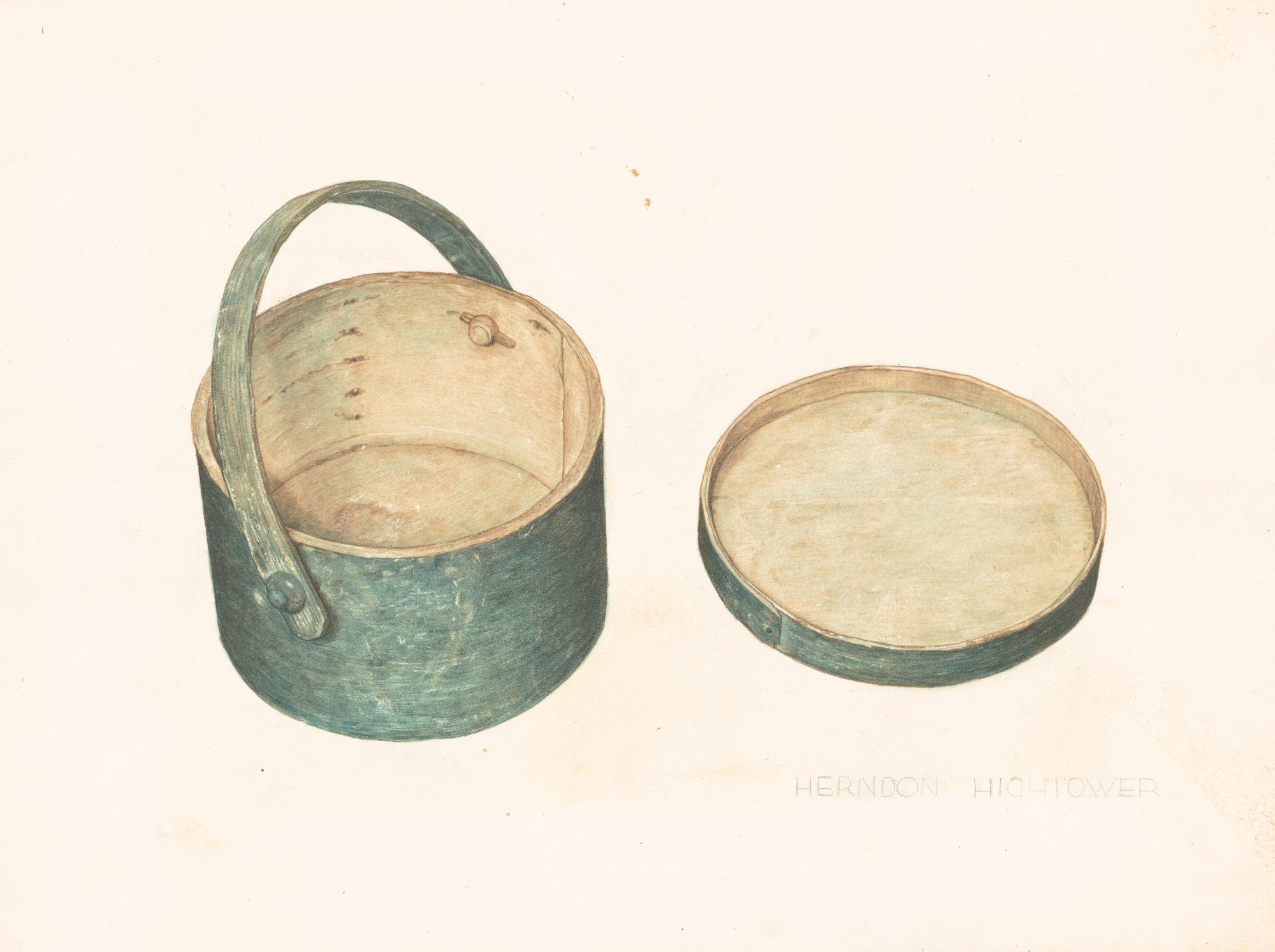
A bushel is a great deal of food. It is the quantity a household bought to put up – a bushel of tomatoes to can, a bushel of apples for sauce and drying, a bushel of beans for the freezer – and it represents a day’s work in the kitchen afterwards.
The peck was the shopping unit. A quarter of a bushel is a sensible amount of something to eat this week, and it was how produce was bought for the table rather than for the pantry.
Below that came half-pecks and quarts, and the quart is the one that survived longest and is still visible: strawberries and small fruit are still sold in America in a container called a quart, which is a volume, with no weight stated anywhere on it.
There Were Several Other Volume Containers and Each Had Its Crop
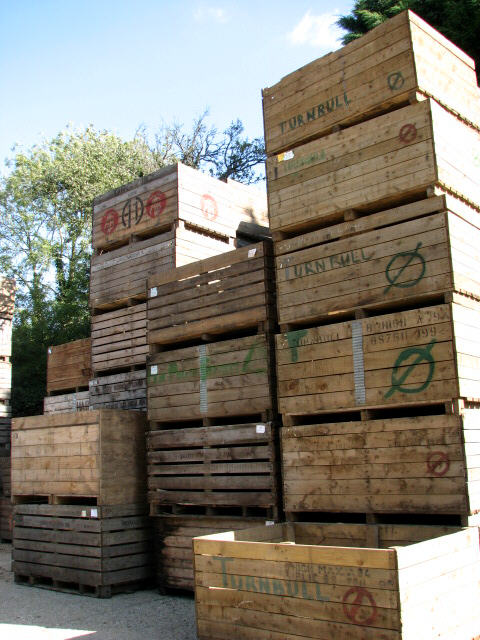
The system was wider than bushels and pecks, and the containers were specific to what went in them.
The hamper, a tall woven basket, for beans and peas. The crate, in various sizes, for berries, with small square baskets inside it. The lug, a shallow wooden box, for grapes and tree fruit where depth would crush the bottom layer. The round stave basket, the climbing basket with a hook, the field crate, the pony box.
Each was sized for its crop’s behaviour. Soft fruit goes in a shallow container because it will not take weight; grain goes in a deep one because it will; beans go in a tall one because they are light and springy and a wide shallow basket of beans is an awkward thing to carry.
That is a measurement system organised around the physical properties of the things being measured, which is elegant and was arrived at over a very long time by people handling the crop.
The Containers Themselves Were a Real Industry
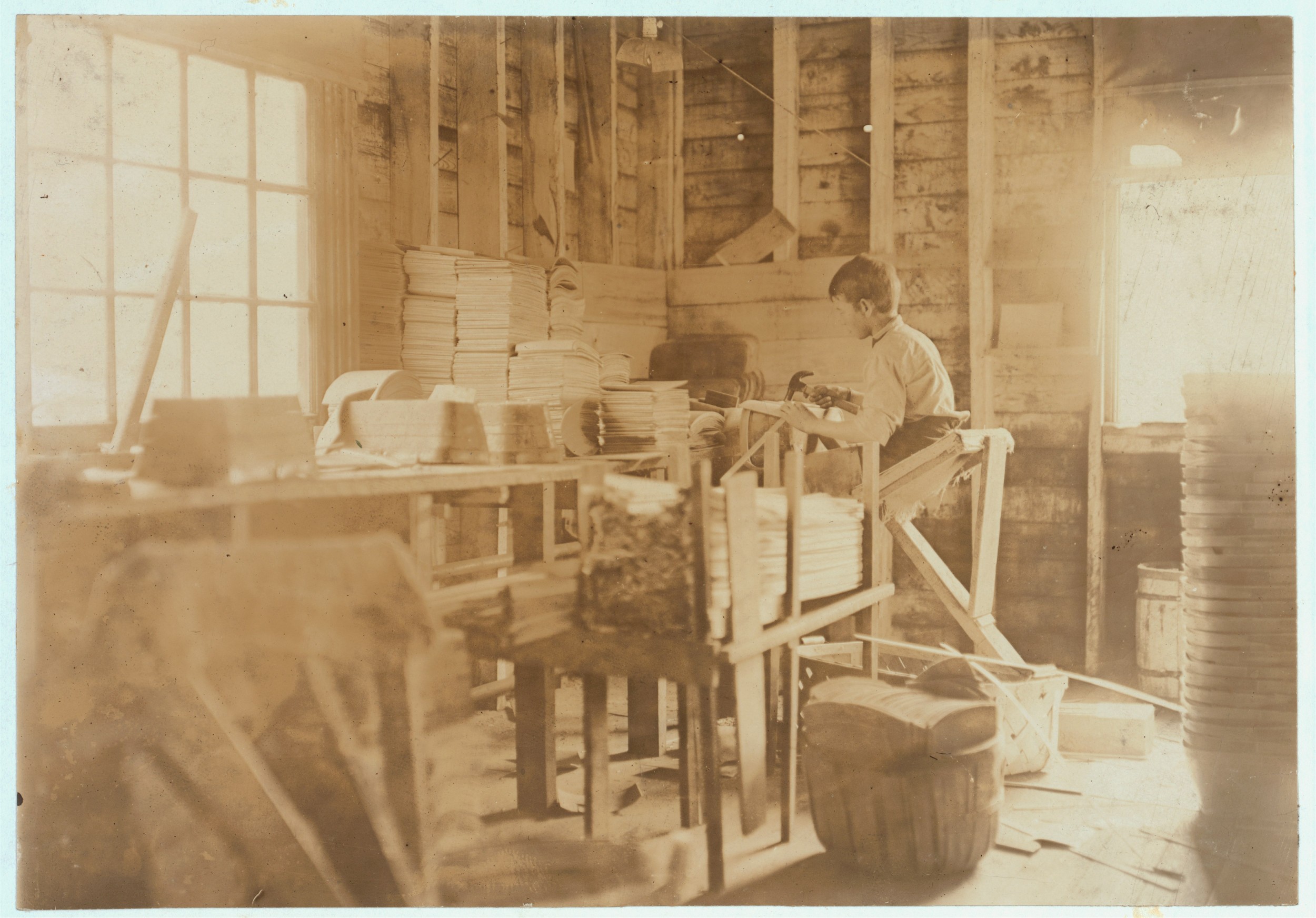
Somebody had to make all of this, and it was a substantial trade.
Baskets were made of thin wood splints – veneer peeled from a log, cut to width and woven over a form, with a wire or wood rim and a stapled band. They were cheap, light, strong enough for one or several uses, and entirely disposable if they had to be.
Which is why they are everywhere in antique shops now. Enormous numbers were produced, they were made of material that survives if kept dry, and they are attractive objects – so a container that was essentially a measuring instrument is now sold as decoration to people who put firewood in it.
Then Everything Started Being Weighed
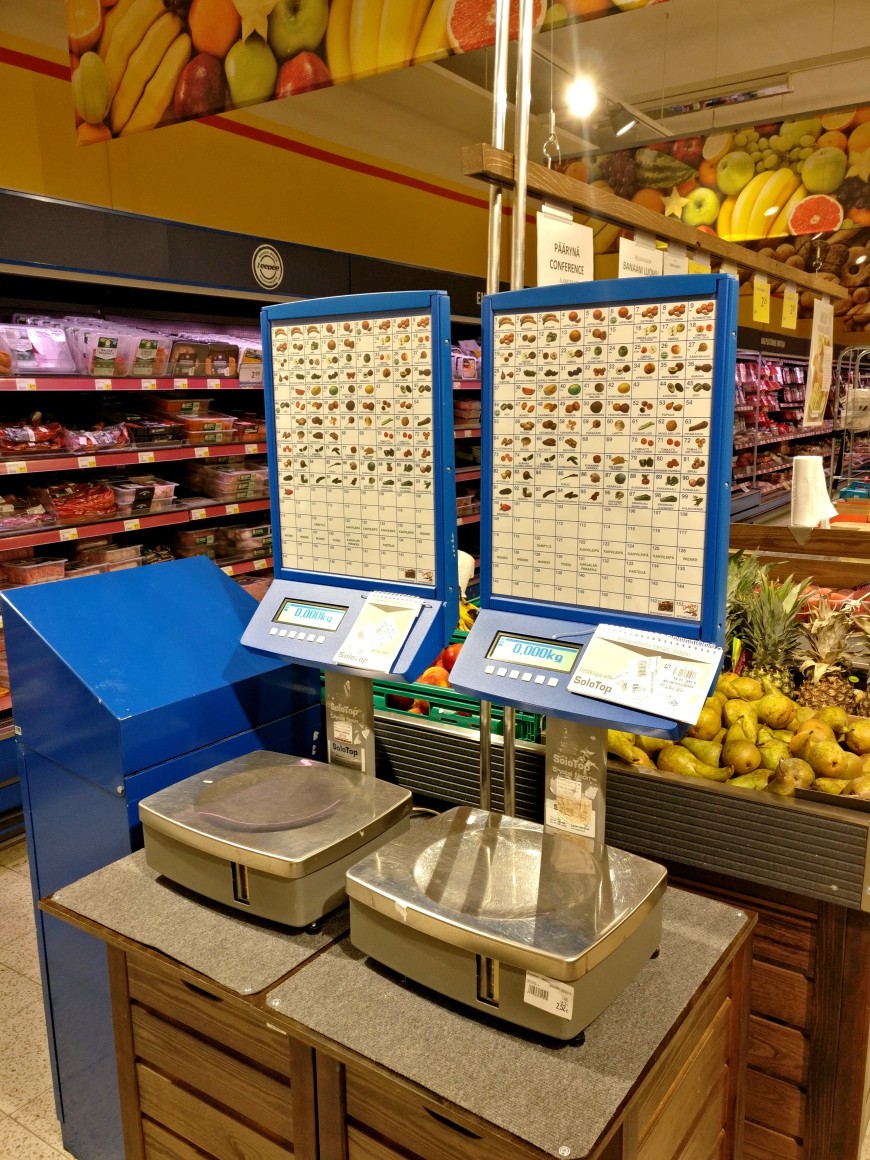
The shift to weight was not a single decision. It was the accumulation of several pressures, all pushing the same way.
The first was simple honesty. A volume measure can be made to deceive – a basket that is slightly undersized, a load that is filled loosely to put air in it, a heap that is not a heap. Weight is harder to argue with, and as consumer protection law developed through the century it moved steadily toward requiring a stated net weight on a package, because a weight is a number that can be checked.
The second was the package. Once produce began to be sold in a sealed bag or a wrapped tray rather than loose out of a basket, there had to be something printed on it – and a volume is unhelpful on a label while a weight is immediately comparable.
The third was long-distance shipping. A truck or a railcar is limited by weight, not by volume, so everybody in the supply chain upstream of the store was already thinking in pounds – and a system that weighs at every stage and then measures by volume at the counter is doing unnecessary work.
And the fourth was the scale itself. Accurate, cheap, reliable checkout scales made weighing at the point of sale as fast as filling a basket had been, which removed the last practical argument for volume.
The Twist: We Lost the Only Measure the Buyer Could Check
Weight won, and it should have. A stated net weight is honest, comparable between products, verifiable with any scale, and immune to the trick of selling air. Anybody arguing that the old way was better on fairness grounds has not thought about how easy it is to loosely pack a basket.
But something was given up, and it is worth naming because it is not nostalgia for baskets.
A volume measure is the only quantity a buyer can verify without equipment.
Stand at a tailgate in 1964 and look at a bushel basket of peaches. You can see whether it is full. You can see whether it is heaped or struck. You can see the size of the basket, and if you have seen a hundred bushel baskets you know instantly whether this one is right. You can reach in and feel whether it has been filled loosely. The entire quantity is visible, in front of you, and your judgement of it is as good as the seller’s.
Now look at a stated weight on a package. You cannot verify it. You have no scale. You have no way to know whether the figure is accurate, whether the tare was calculated correctly, or whether the item has lost moisture since it was packed. You are trusting a number printed by somebody else, backed by an inspection regime you will never see, administered by officials you will never meet.
That regime is excellent, by the way. Weights and measures enforcement in the United States is genuinely effective, the figures on packages are overwhelmingly accurate, and the system protects consumers far better than eyeballing a basket ever did.
The point is only about where the verification sits. Under the old system it sat with the buyer, who could do it in two seconds with their eyes. Under the new one it sits with the state, which does it much better and does it somewhere else.
And that is the pattern this whole subject turns out to be an example of. Over and over across the last century, judgements that ordinary people used to make directly – how old an egg is, whether a cut of meat is good, how much is in a basket – have been replaced by numbers, dates and labels produced by institutions that are more reliable than any individual could be.
The baskets are the most visible casualty. There are millions of them, in barns and antique shops and on porches, every one of them a measuring instrument that anybody could read.
Now they hold magazines.
Like our content? Follow us for more.