Here are sixteen things the crane driver did in 1960, when the load’s weight was an opinion, the signals came from a man who kept disappearing behind the building, and the only thing preventing an overload was the driver’s own experience of that particular machine. Every item on this list has a modern answer, and almost all of those answers turn out to be the same one.
1. Climbed to the cab and stayed up there all shift
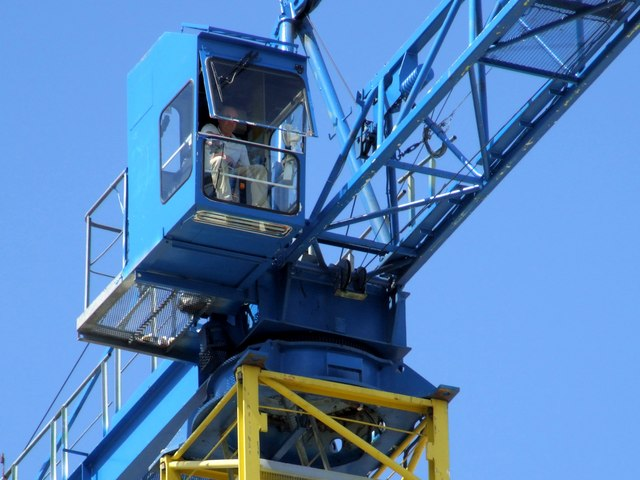
A tower crane cab is reached by a ladder inside the mast, and in 1960 that climb was made once at the start of a shift and once at the end. There was no lift, no rest platform worth the name and no expectation that anybody would come down for anything.
That meant the driver’s day included no breaks away from the seat, no toilet facilities and food carried up in the morning. On a mobile crane the cab was lower but the principle of staying in it was the same.
Crane cabs are now designed as workplaces, with heating, ventilation, adjustable seating and in many cases a lift up the mast on taller cranes. Welfare arrangements for crane operators are specified rather than improvised.
Like our content? Follow us for more.
2. Took signals from a man he could not always see
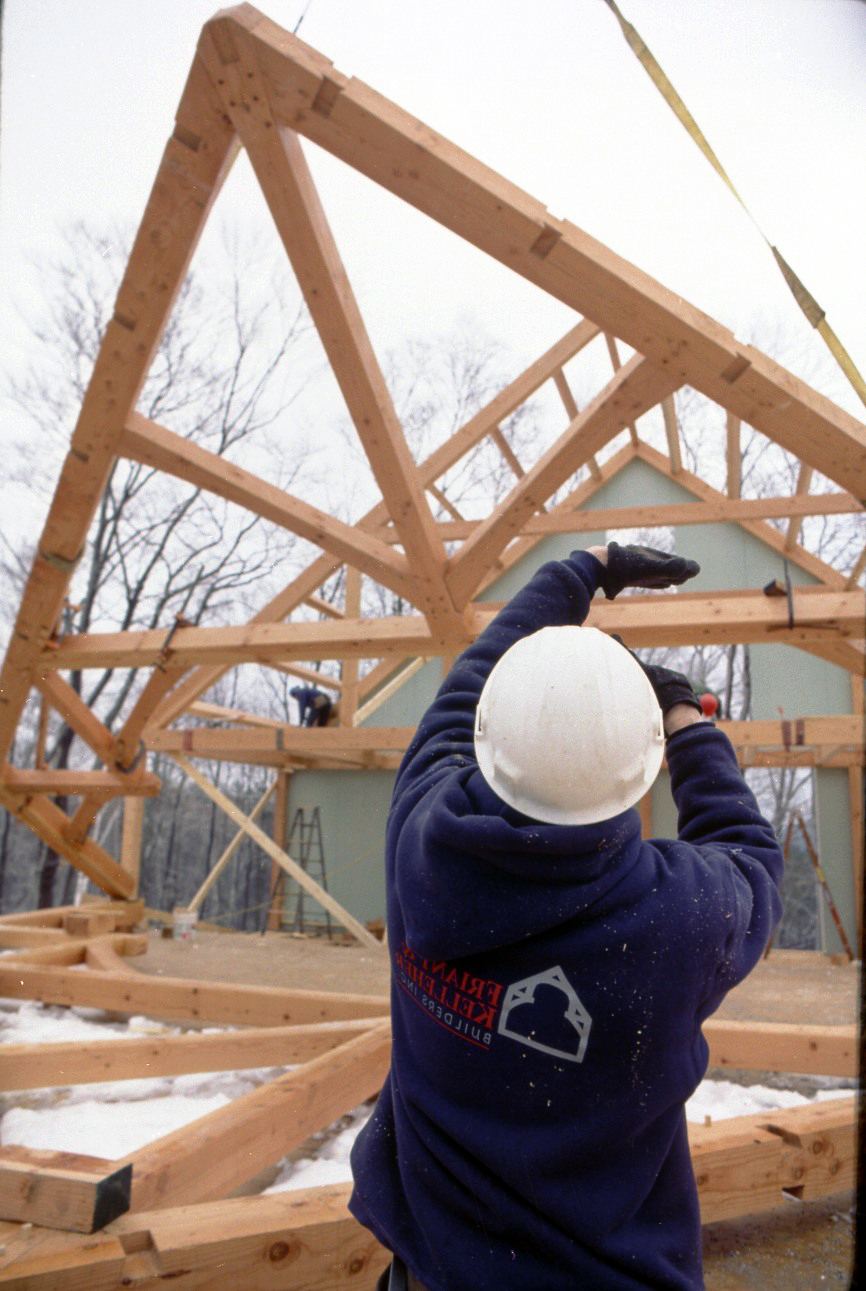
Lifting was directed by hand signals from a slinger on the ground, and on anything other than a simple lift the driver was working to a person who disappeared behind the structure for part of every cycle.
The signals themselves were conventional and well understood, but conventions varied between sites and trades, and a new man using a signal slightly differently was a real hazard.
Radio communication is now standard and the signalling conventions are standardised and trained. Where radio fails the lift stops, which is a rule rather than a judgment, and camera systems give the driver a direct view of the hook and the landing area.
3. Estimated the weight of the load by looking at it
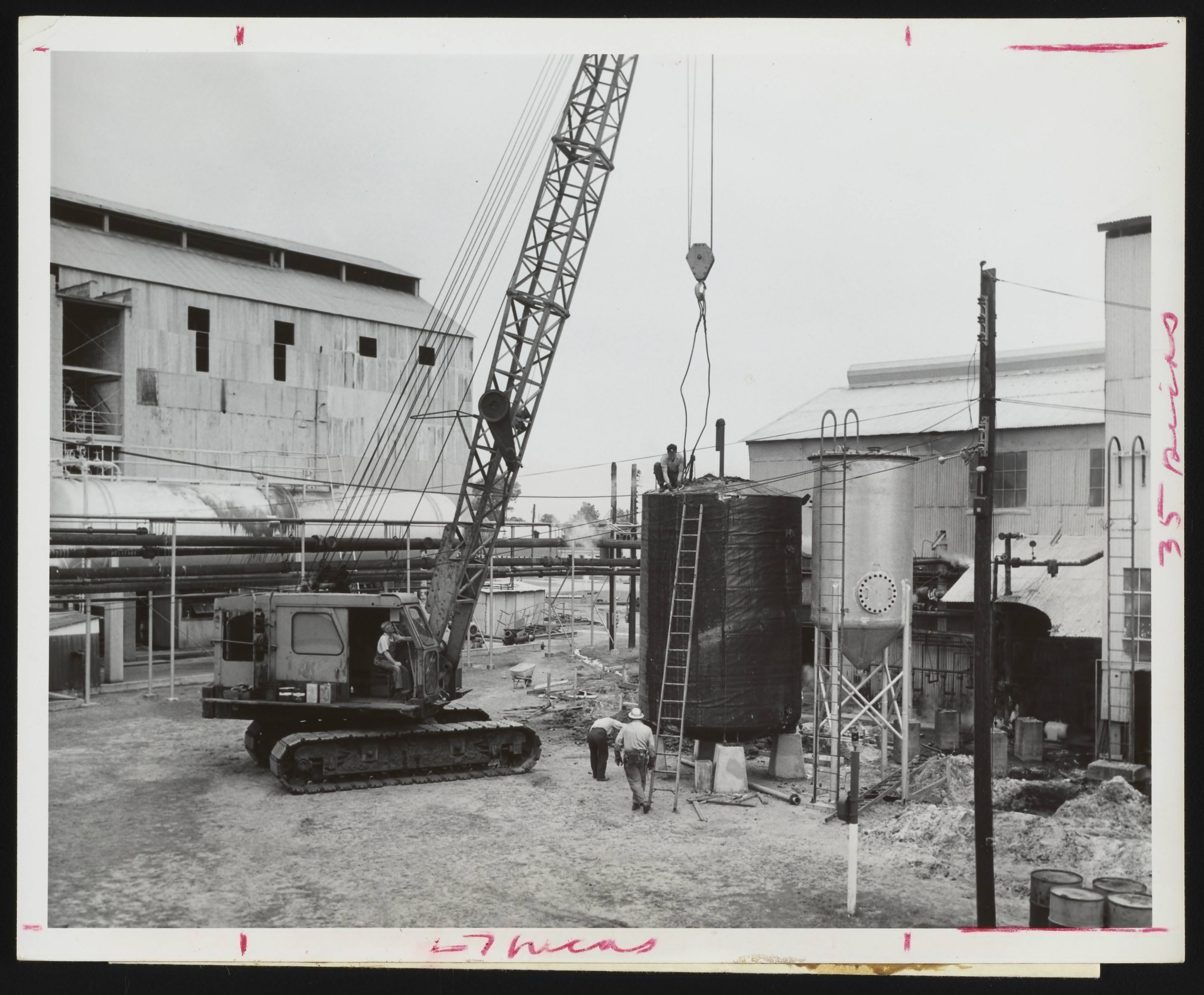
In 1960 a driver was routinely asked to lift things whose weight nobody had established. A steel section, a bundle of scaffold, a skip of rubble or a machine being moved came with an opinion rather than a figure.
Experienced drivers were remarkably good at this and they were also guessing, and the consequence of a bad guess on a long radius is that the crane finds out before the driver does.
Every modern lift begins with a known load weight, and the duty to establish it sits with the person planning the lift rather than with the operator. An unknown weight is a reason to refuse.
4. Worked without a load chart or a radius indicator
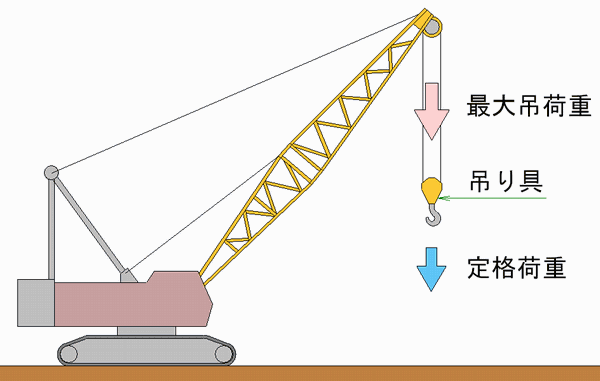
A crane’s safe capacity falls as the load moves further from the mast or the slew centre, and the relationship is specific to each machine and configuration. In 1960 much of that lived in the driver’s head and in experience of the particular crane.
Some machines had charts and many drivers had never seen the one for the crane they were on. Radius was judged by eye and by the position of the jib.
Modern cranes carry rated capacity indicators that display load, radius and percentage of safe working load continuously, with audible warnings and cut-outs that prevent the machine from continuing into an overload. The chart is a legal document and must be in the cab.
5. Lifted loads over people as a matter of course
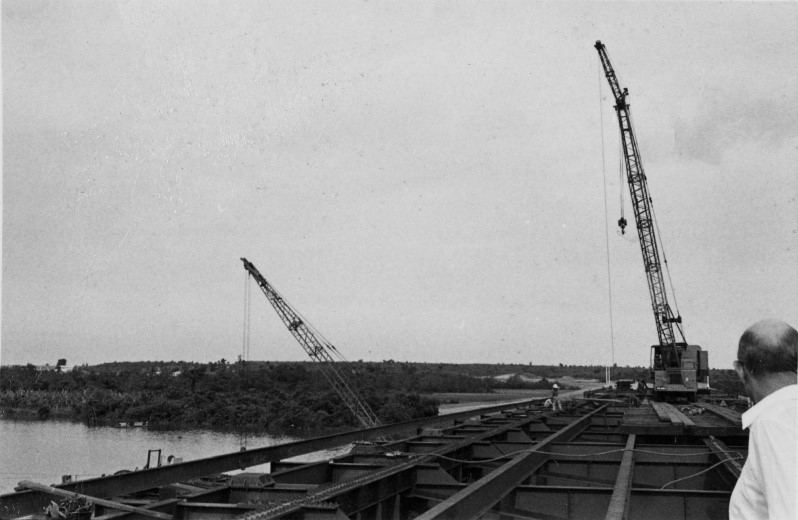
Material was swung across occupied areas, over other trades, over public footpaths and over roads, because that was the shortest route from the stack to the point of use.
The protection was a shouted warning and the general expectation that people would look up. On congested city sites the same crane served several contractors with no coordination of who was underneath.
Modern practice forbids it. Loads are not carried over occupied areas, exclusion zones are established and physically marked beneath the lifting path, and the lift is sequenced so that nobody is working below. Where a load must cross a public area the area is closed.
6. Was served by slingers who had no particular training
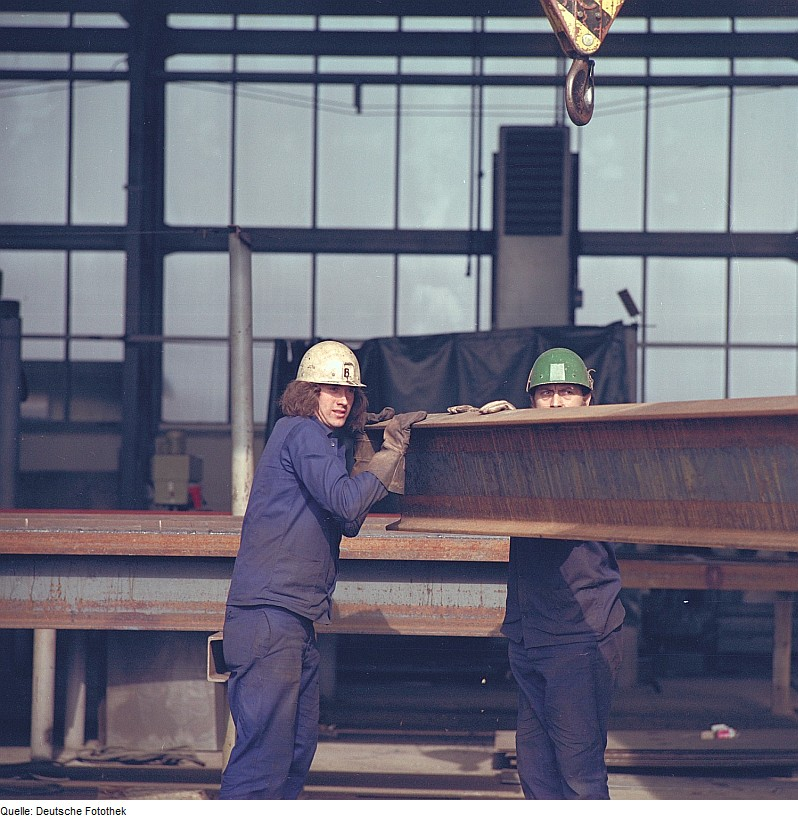
Attaching the load is the part of a lift most likely to go wrong, and in 1960 it was frequently done by whoever was available. A labourer who had watched somebody else do it was considered competent.
Sling angles, centre of gravity, the effect of a sharp edge on a wire rope and the difference between a choke and a basket hitch are technical matters, and they were learned by observation and by consequence.
Slinging is now a trained and certificated role with a defined competence, and the planning of how a load is attached is part of the lift plan rather than a decision made at the stack.
7. Used slings and ropes that were inspected by looking at them
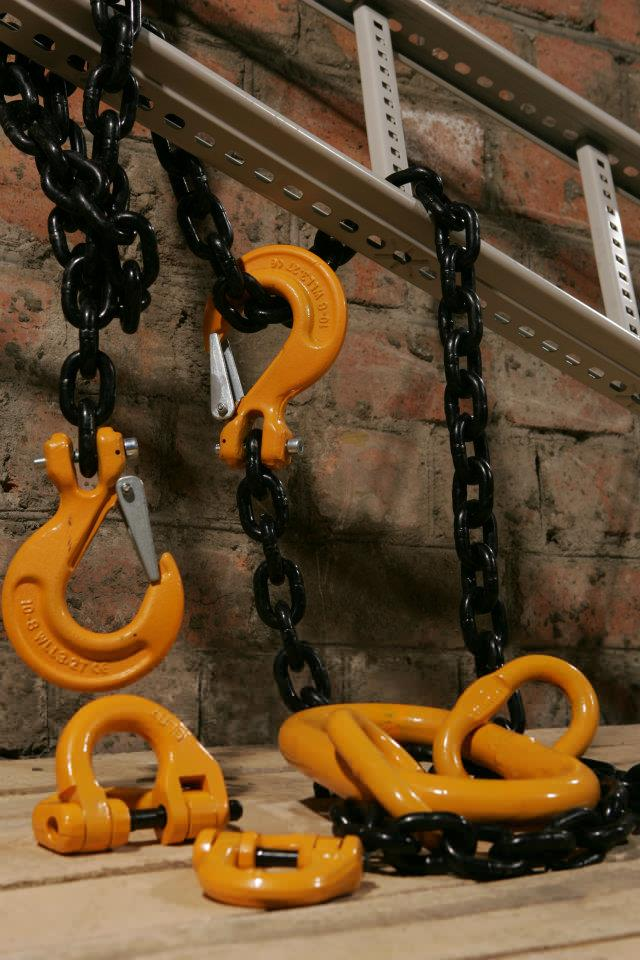
Wire rope slings, chains, shackles and hooks were examined by the men using them, when they remembered, and taken out of use when the damage was obvious.
Marking was inconsistent, so a sling’s rated capacity was often unknown and its history entirely unknown. Equipment accumulated on a site and stayed there.
Lifting accessories are now individually identified, marked with their rated capacity, recorded on a register, subject to periodic thorough examination by a competent person at specified intervals, and removed from service on defined criteria rather than on appearance.
8. Carried people on the hook, and on the load
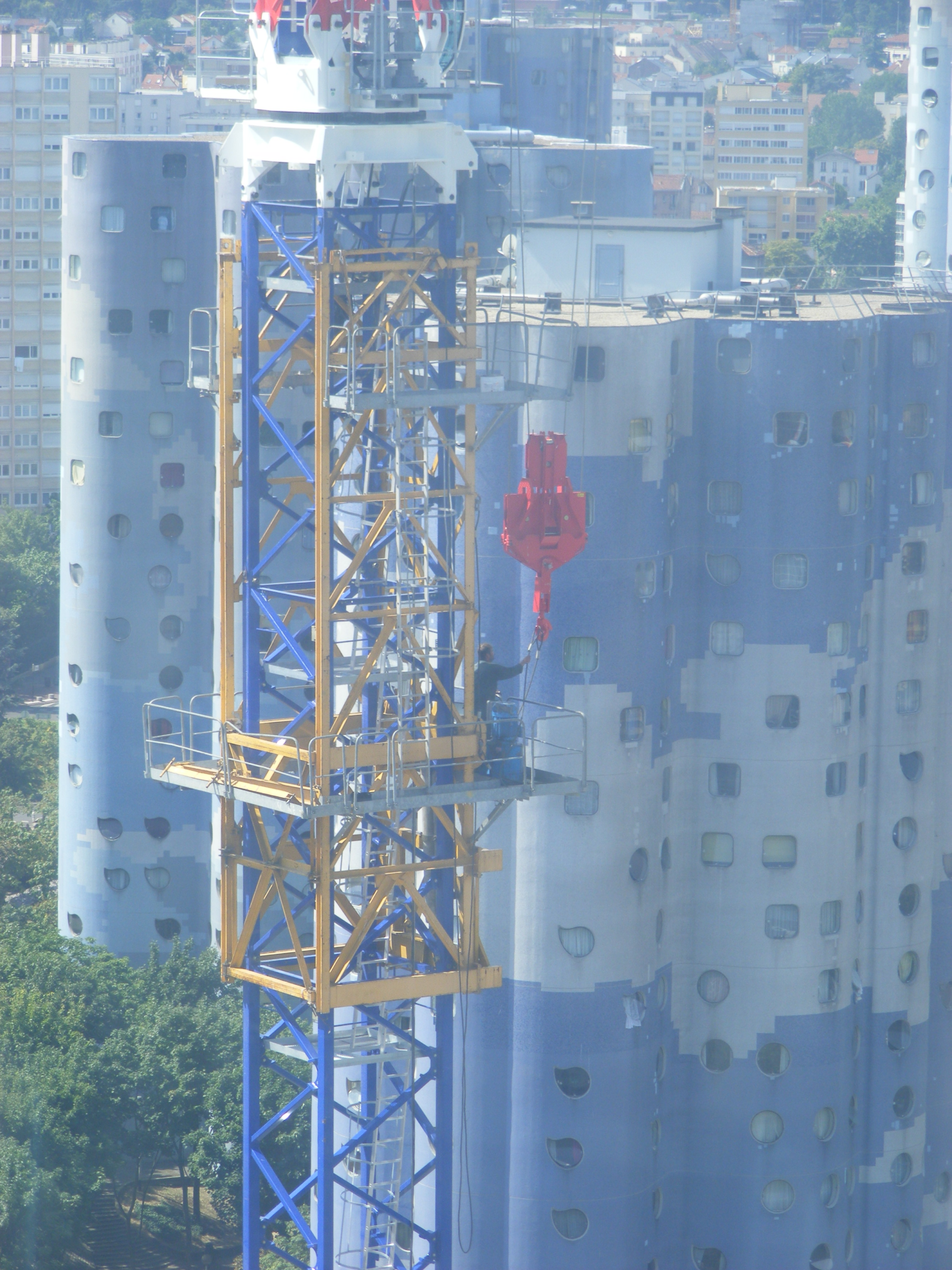
Riding the hook or standing on a load to be lifted to height was done, widely, because it was quicker than climbing. On some sites it was the normal way to reach a working position.
It was understood to be dangerous and done anyway, which is the pattern for most of the practices in this list, and it persisted because the alternative was slow and nobody had provided one.
Lifting people requires purpose-designed equipment — a man-riding basket or a platform, with its own certification, secondary retention and procedures — and lifting a person on an ordinary hook or load is prohibited everywhere.
9. Judged the wind by feel
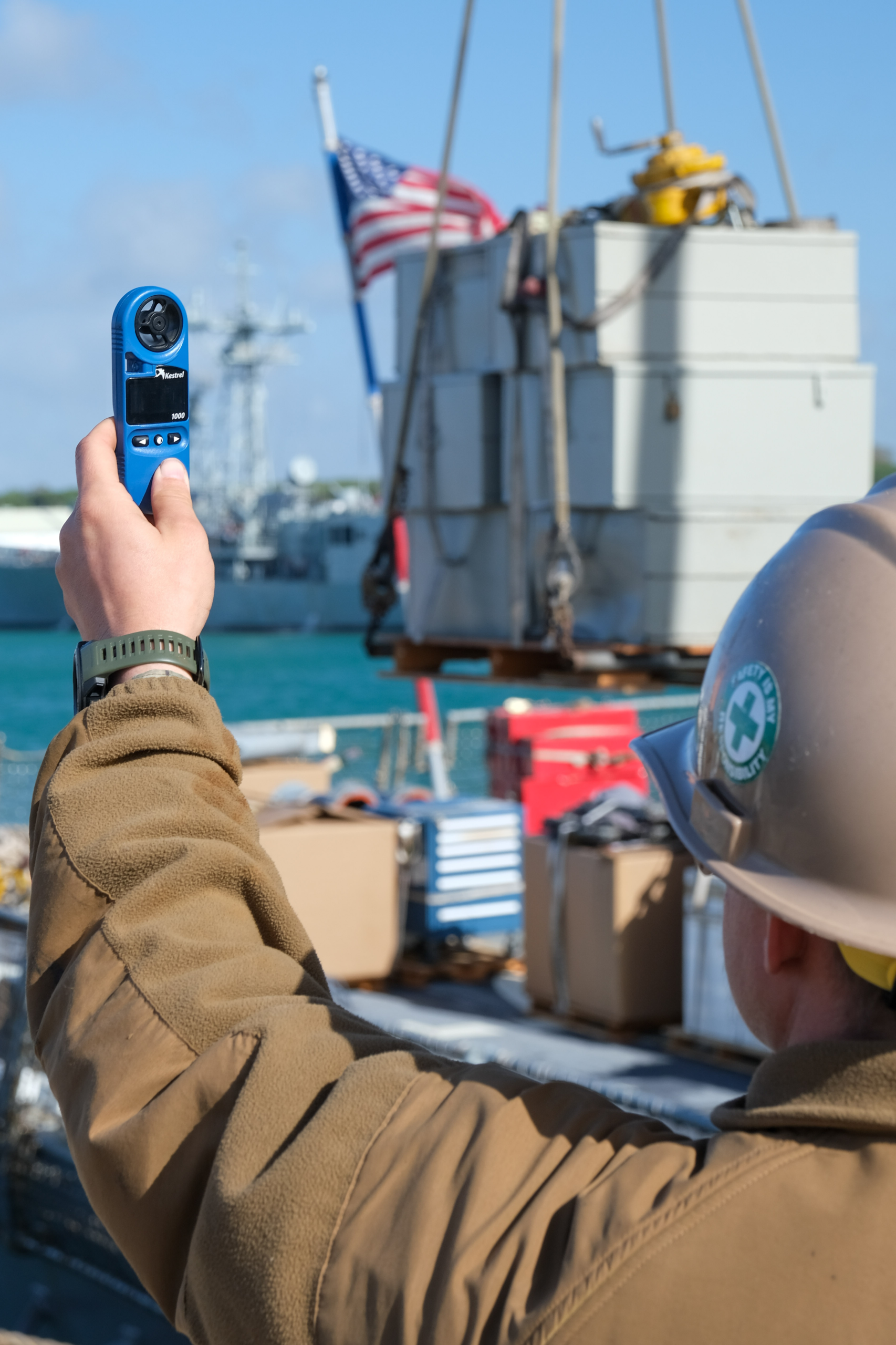
Wind is the governing limit on crane work, because a large load becomes a sail and a jib at long radius is extremely sensitive to it. In 1960 the assessment was the driver’s and the foreman’s, by feel and by watching the load swing.
Commercial pressure pushed in one direction only, and a driver who stopped lifting was a driver holding up the site.
Modern cranes carry anemometers, lift plans specify maximum wind speeds for the load and configuration, and the operator has an explicit right to stop that is backed by the regulatory framework. That right is the substantive change rather than the instrument.
10. Travelled and slewed with the load swinging
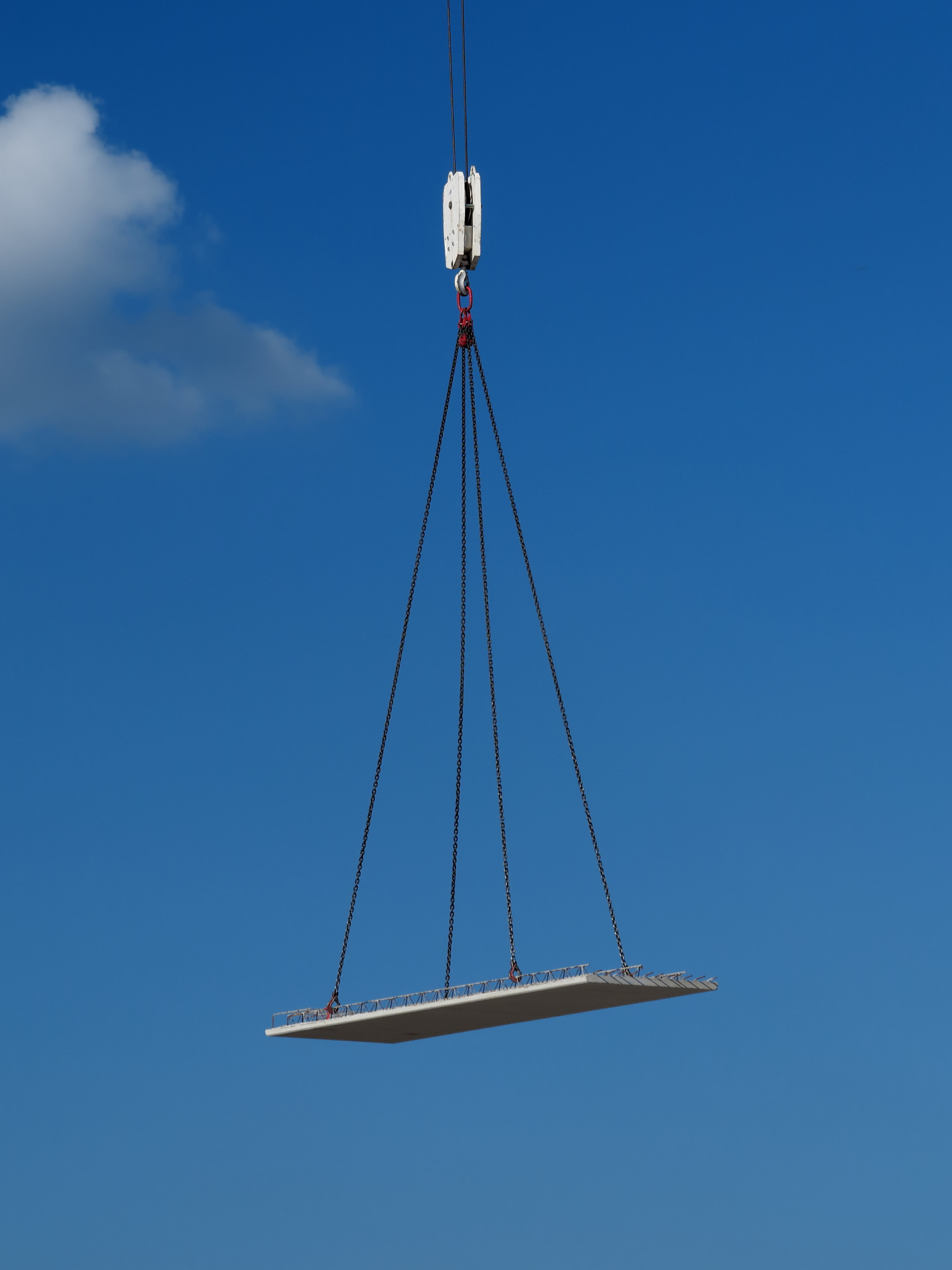
Moving a crane or slewing it with a suspended load sets up a pendulum, and controlling it is a skill of anticipation: you lead the load, let it catch up, and stop it with the machine rather than fight it.
Drivers were proud of being smooth and the best of them were genuinely impressive. A load that swings is also a load that can strike something or shock-load the rope.
Modern cranes have anti-sway control systems and slew brakes designed to limit it, and procedures restrict travelling with suspended loads. The skill still matters and the machine now helps.
11. Sat in a cab with no heating and gaps in it
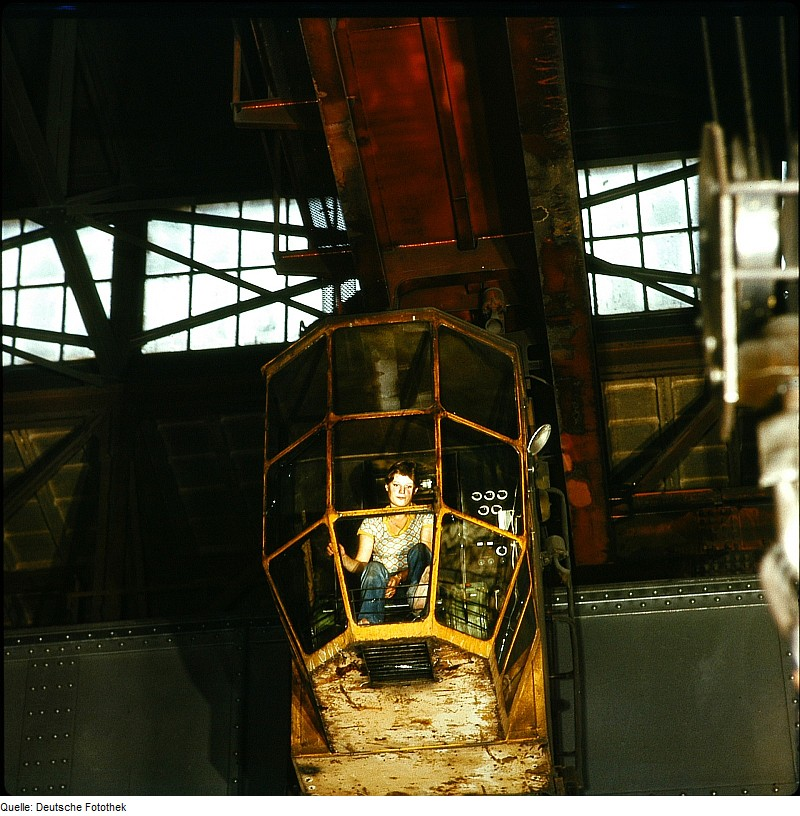
Early tower crane cabs were steel boxes with glass, no insulation, no heater and frequently no effective seal. In winter the driver was very cold and in summer the cab was an oven.
Visibility was poor, downward in particular, and the seat was a fixed metal frame. Drivers worked eight hours or more in that position with no adjustment available.
Cab design is now a specification subject: heating and air conditioning, adjustable suspended seating, large glazed areas with downward vision panels, and anti-glare treatment. Musculoskeletal problems in crane operators are a recognised category, which is why seating is designed rather than installed.
12. Dragged loads sideways when the crane could not reach
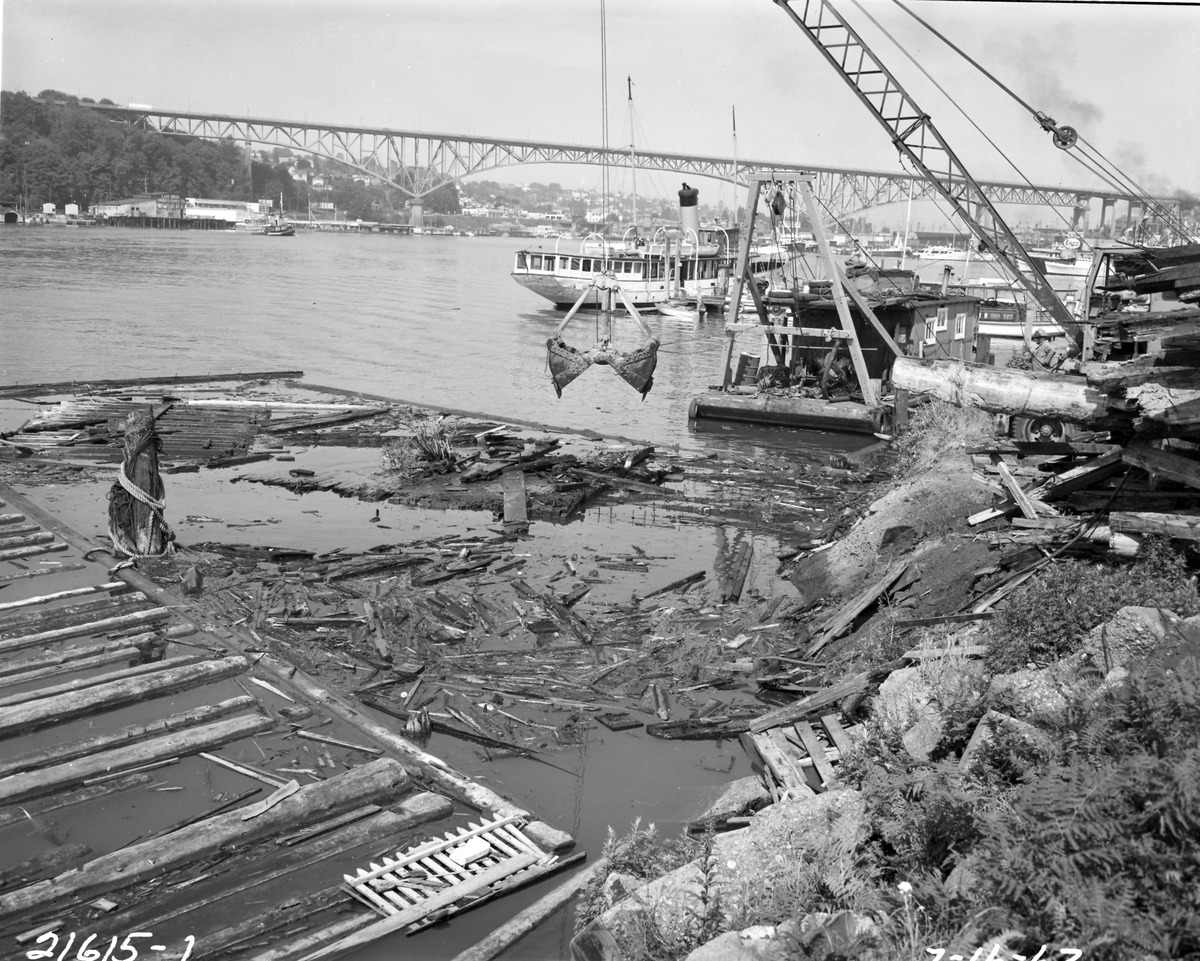
Pulling a load horizontally with the hoist rope — side loading — was a routine shortcut when something needed to come from just beyond the jib’s reach or around an obstruction.
A crane is designed for vertical load and side loading puts bending into a structure built for tension and compression. It also makes the load’s behaviour unpredictable when it breaks free.
It is now expressly prohibited in operating instructions and in regulation, and it is one of the practices most likely to be designed out by requiring a lift plan that establishes reach before the crane arrives.
13. Had no limit switches worth relying on
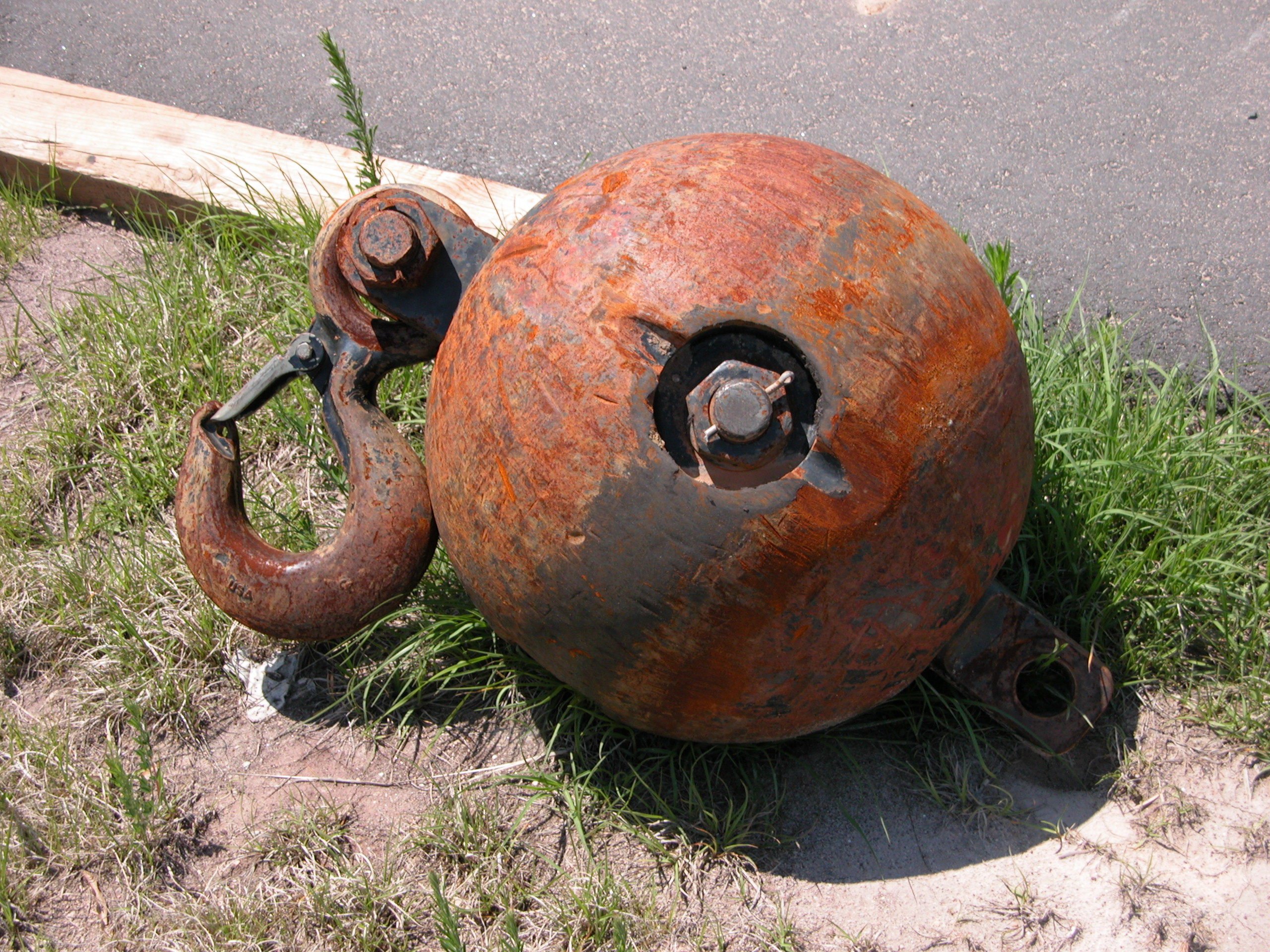
Running the hook block up into the jib head, known as two-blocking, destroys the rope or the block, and in 1960 the protection against it was the driver watching.
The same applied to hoisting limits, slewing limits and travel ends. Some machines had crude cut-outs and drivers did not trust them.
Modern cranes have hoist and lowering limits, anti-two-block devices, slew limiting, zone restriction that can be programmed to keep the jib out of defined airspace, and interlocks that will not allow the machine to be operated outside its configuration.
14. Maintained the machine himself, up the mast
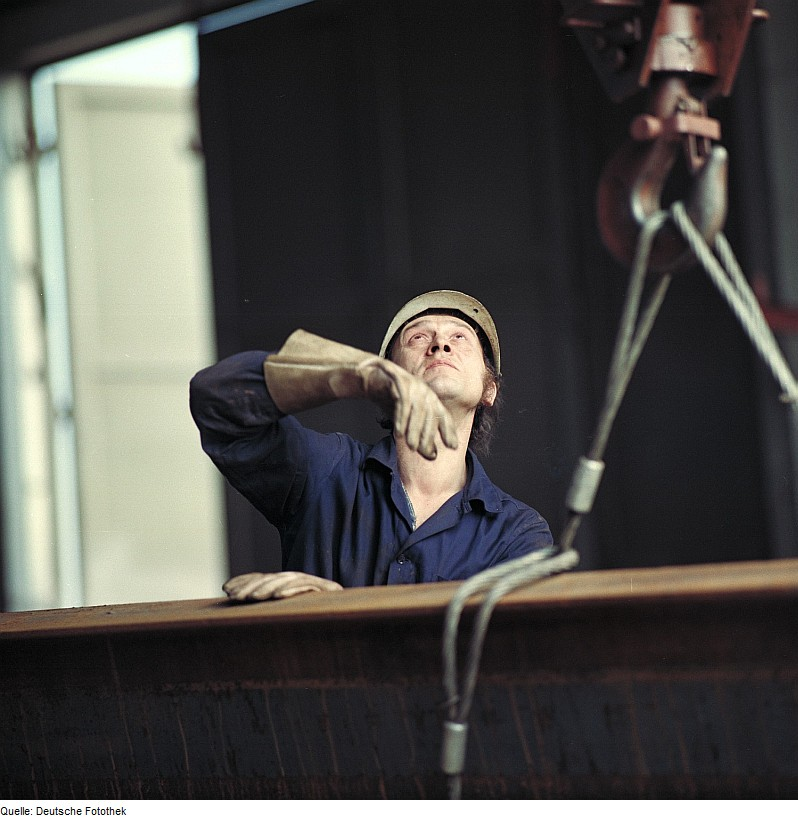
Greasing, checking ropes, adjusting brakes and dealing with minor faults were the driver’s responsibility, done at height, frequently while the crane was the only thing he was attached to.
There was no documented maintenance regime in many cases, and a crane stayed in service until something stopped working.
Cranes are now subject to thorough examination at specified intervals by a competent person, with records, plus planned maintenance by trained fitters working under fall protection and permit systems. The driver reports defects rather than repairing them.
15. Learned the job by sitting beside somebody who had it
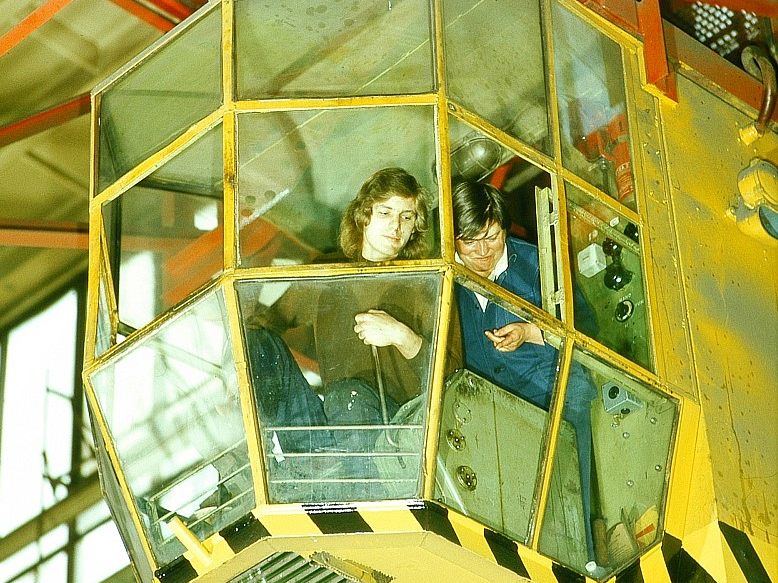
Training was observation and then supervised operation, with no formal assessment and no certification. A man became a crane driver because he had been driving a crane.
That produced some extremely skilled operators and no way of telling in advance which ones, and no common standard between sites or employers.
Operation now requires formal training, an assessment and a certificate specific to the type of crane, with periodic revalidation. Familiarisation on the individual machine is a separate documented step.
16. And the single change that made all the others possible
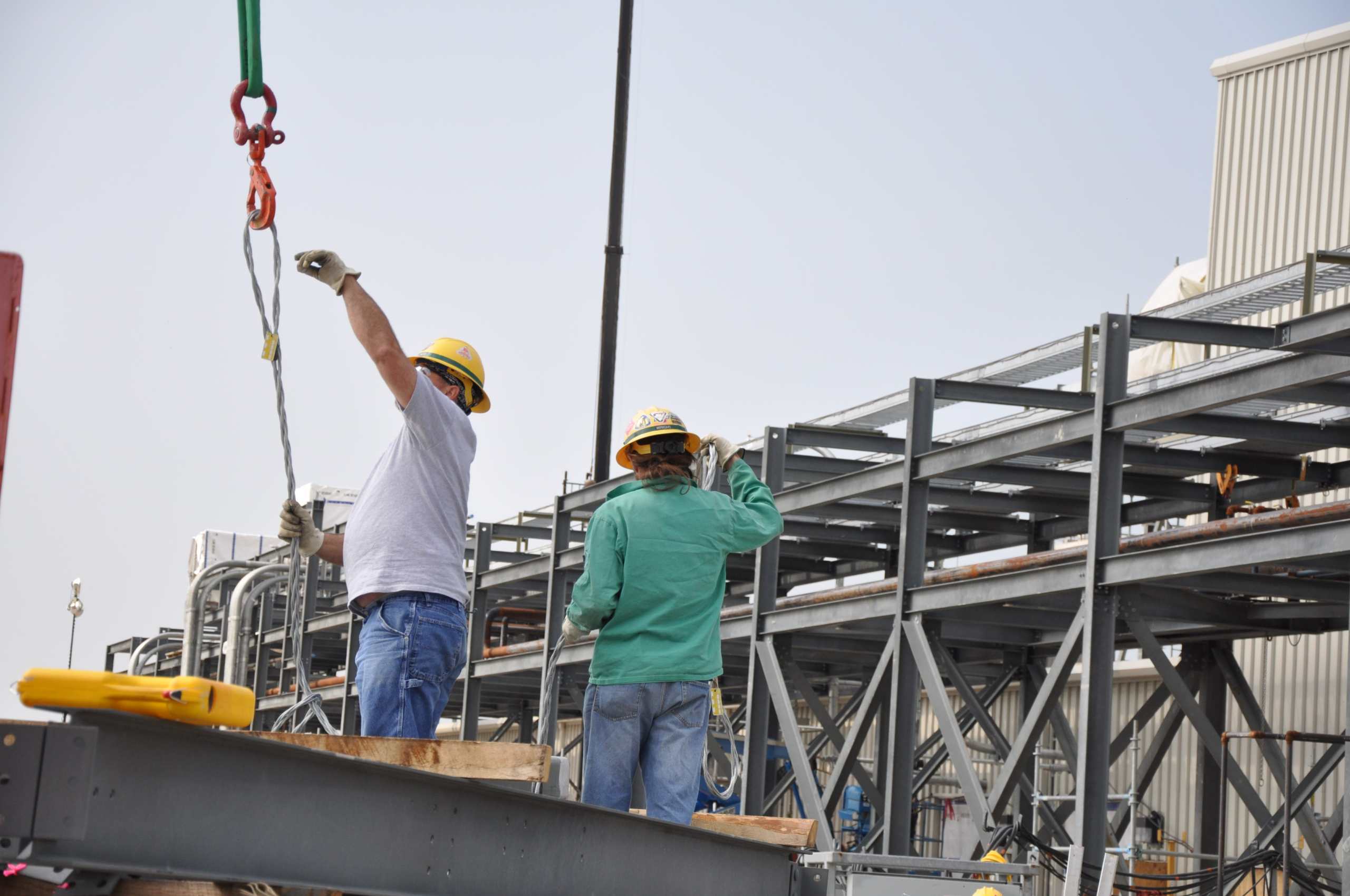
The lift plan. The requirement that every lift be planned in advance by a competent person — load weight, crane position, radius, configuration, slinging arrangement, ground bearing capacity, exclusion zone, wind limits, communications and sequence — is what turned crane work from a skill exercised in the moment into an engineered operation.
Almost every item above is solved by it, and the ones that are not are solved by equipment that only makes sense inside it. A rated capacity indicator is useful because somebody has established what the load weighs.
Drivers of the old school often disliked it and some still do, on the grounds that it replaces judgment with paperwork. The counter-argument is that the paperwork is where the judgment now happens, before anybody is standing underneath.
Everything here reduces to one requirement
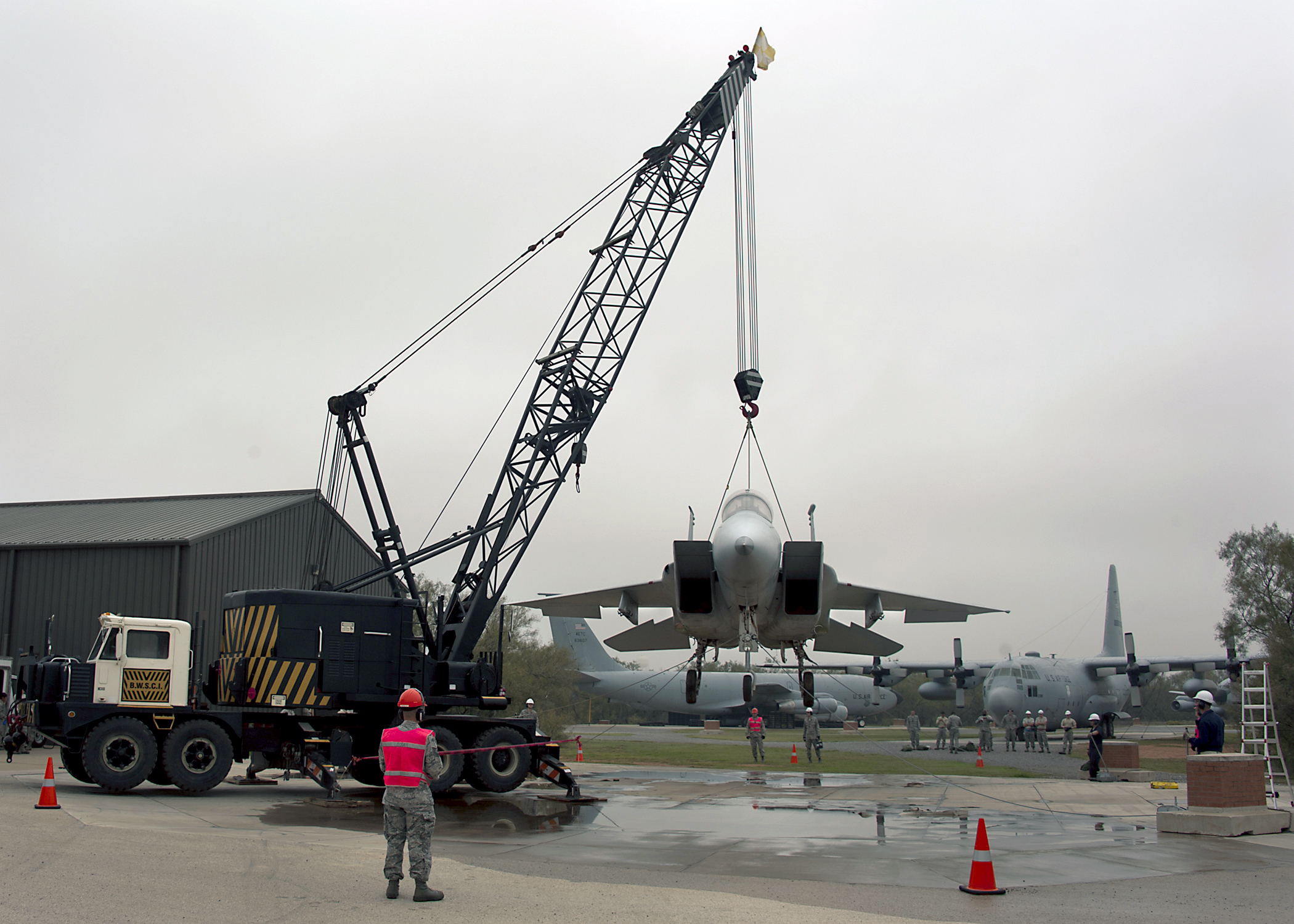
Read the list again and nearly every item resolves into the lift plan. The load weight is established in advance by the person planning the lift rather than guessed by the operator. The crane’s position, radius and configuration are chosen against the chart before the machine arrives, which is what makes side loading unnecessary rather than merely prohibited. The slinging arrangement is specified, which is why slinging became a trained role. The exclusion zone is defined, which is how lifting over people stopped. Wind limits are written down, which is what gives the operator a right to stop that survives commercial pressure.
The instruments matter too, but they matter because the planning gives them something to work with. A rated capacity indicator is only useful if somebody knows what the load weighs, and a programmed zone restriction is only useful if somebody has decided where the jib must not go. The equipment is the second half of the answer; the plan is the first.
The operators who learned the old way were often genuinely exceptional at the physical craft, and a few of them will tell you that nobody drives as smoothly now. They are probably right, and it is also true that smoothness was never the thing that was killing people.
Like our content? Follow us for more.