There is a small piece of rural engineering that walkers cross constantly and rarely examine.
The problem it solves is truly awkward. A boundary must be continuous to hold animals, and a path must be continuous to be a path, and where the two meet something has to give.
A gate solves it and introduces a new problem: a gate can be left open, and a gate left open empties a field.
So an alternative developed that cannot be left open, because it has no moving part at all — and the variety of forms it takes is a direct record of what each place needed.
The Basic Approaches
There are a small number of underlying solutions, and almost every stile is a version of one.
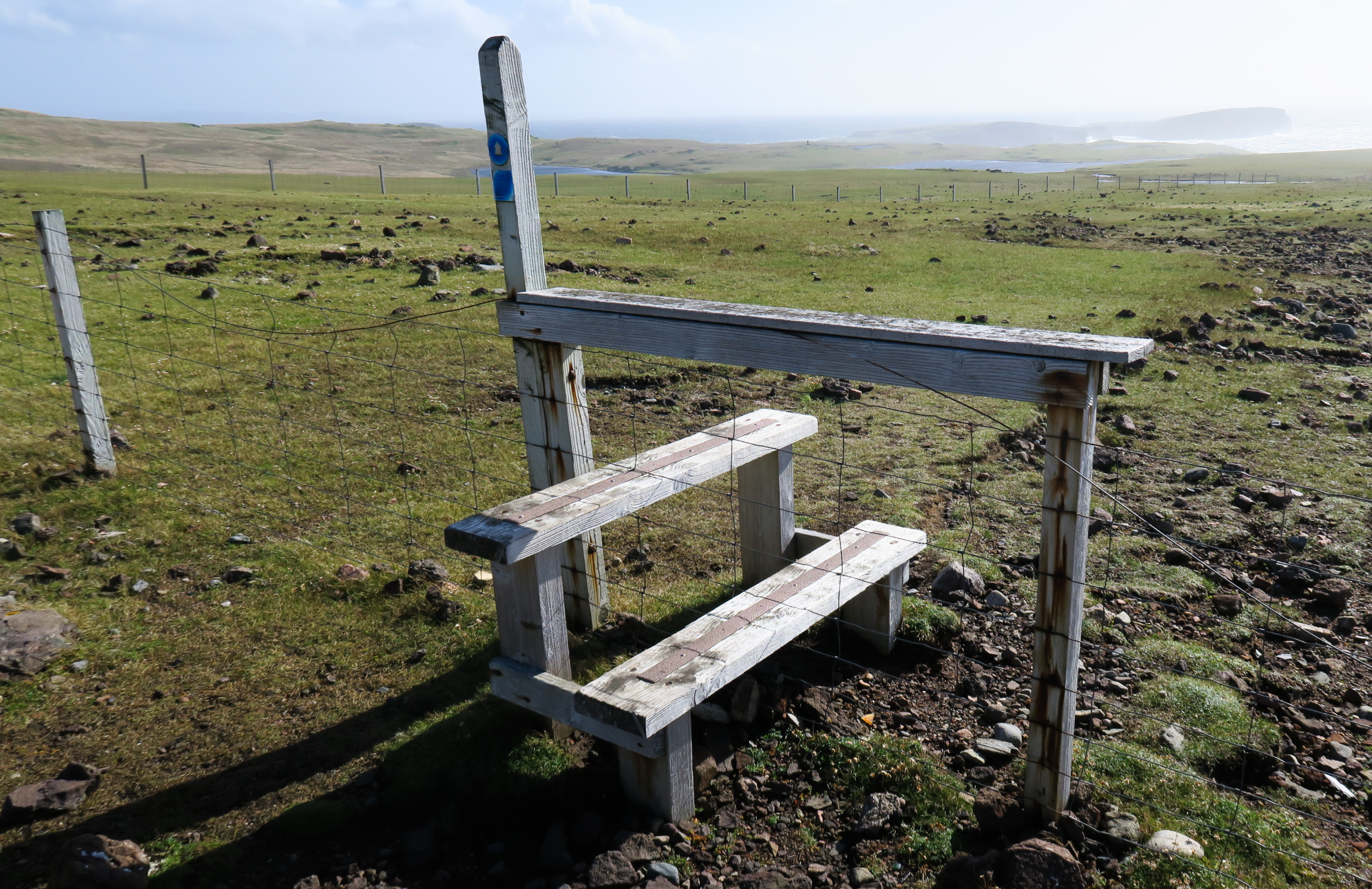
Go over it. Steps, blocks or a frame allow a person to climb the barrier while it stays continuous, and an animal will not climb.
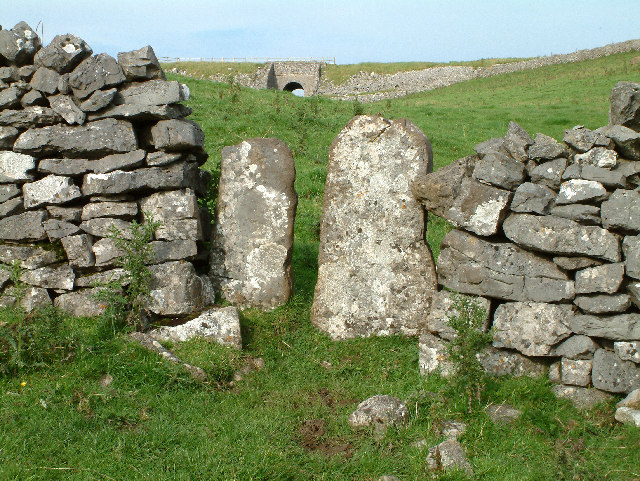
Go through a gap. An opening too narrow for a broad-bodied animal lets a person pass sideways, exploiting the difference in shape rather than in ability.
Go through something that closes itself. A gate held shut by a spring, a weight or gravity opens for a person and returns, removing the risk of being left open.
Go round. A short staggered passage that a person can walk through by turning but an animal cannot negotiate uses geometry rather than any barrier at all.
Each of those has advantages and each fails in a particular way, which is why all of them persist.
There is a dating point worth adding. A stile built of the same stone and in the same style as the wall it crosses was almost certainly built with it, while one of different material or workmanship was inserted later – which dates the crossing relative to the boundary.
Like our content? Follow us for more.
Reading Them
The design present in a place tells you what it was dealing with.
Steps built into a stone wall indicate a landscape where stone was the boundary material and where the wall had to stay unbroken.
Projecting stones set into the face of a wall, forming a ladder, achieve the same thing using even less material and leaving the wall structurally intact.
A narrow gap between two upright stones indicates confidence that the animals concerned were too broad to squeeze through, which suits some livestock and not others.
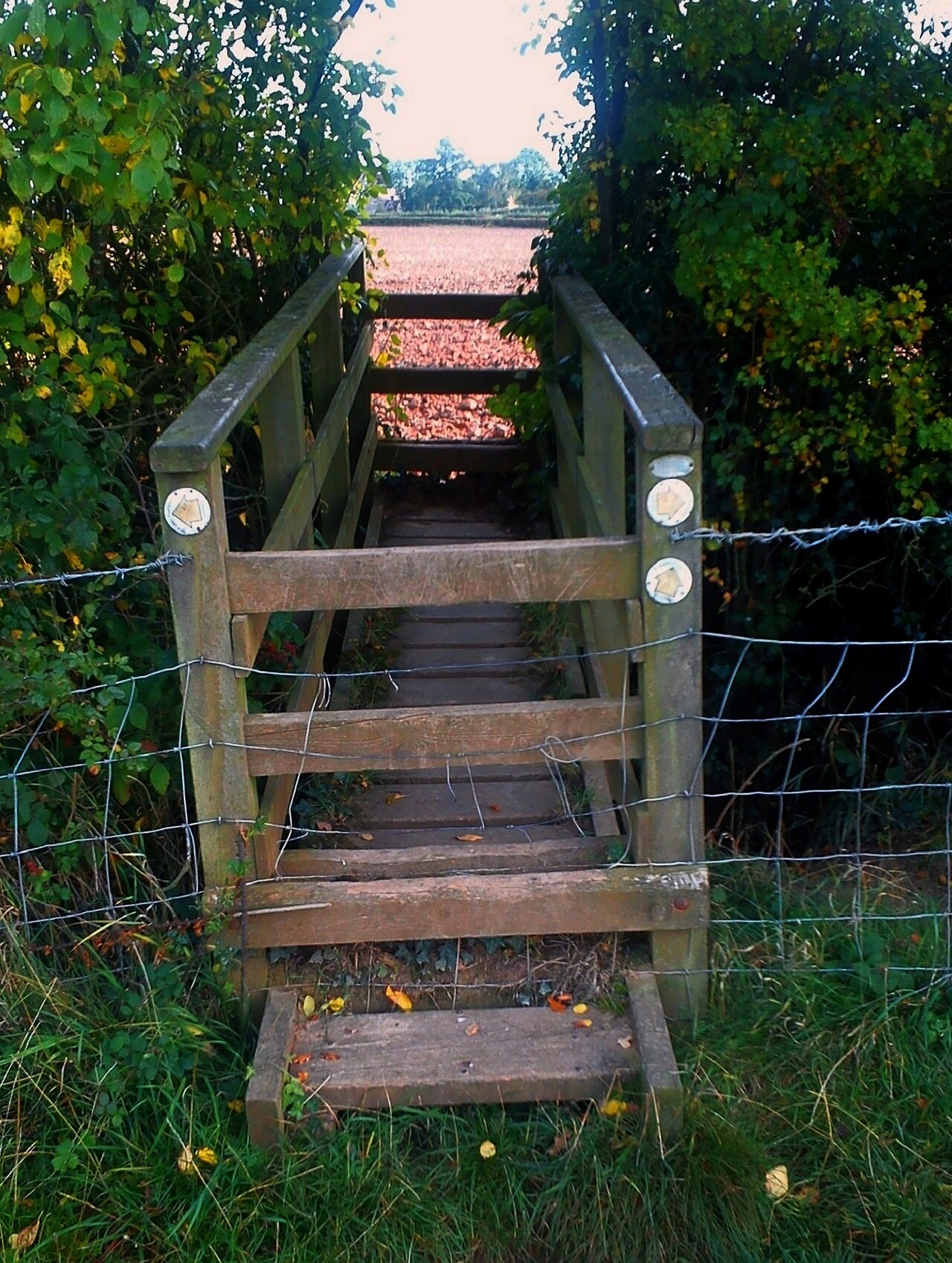
A timber frame with steps suits areas where wood was the available material and where hedges rather than walls formed the boundary.
Self-closing gates indicate a route with enough traffic that climbing would be tiresome, and enough risk that an open gate could not be tolerated.
And a staggered passage indicates a place where people, including those who could not climb, needed regular access.
There is a numbering point worth noting. In many places stiles and gates on a route are recorded individually by the authority responsible, which means a structure in a field frequently has an official identity nobody standing beside it is aware of.
Why They Are Where They Are
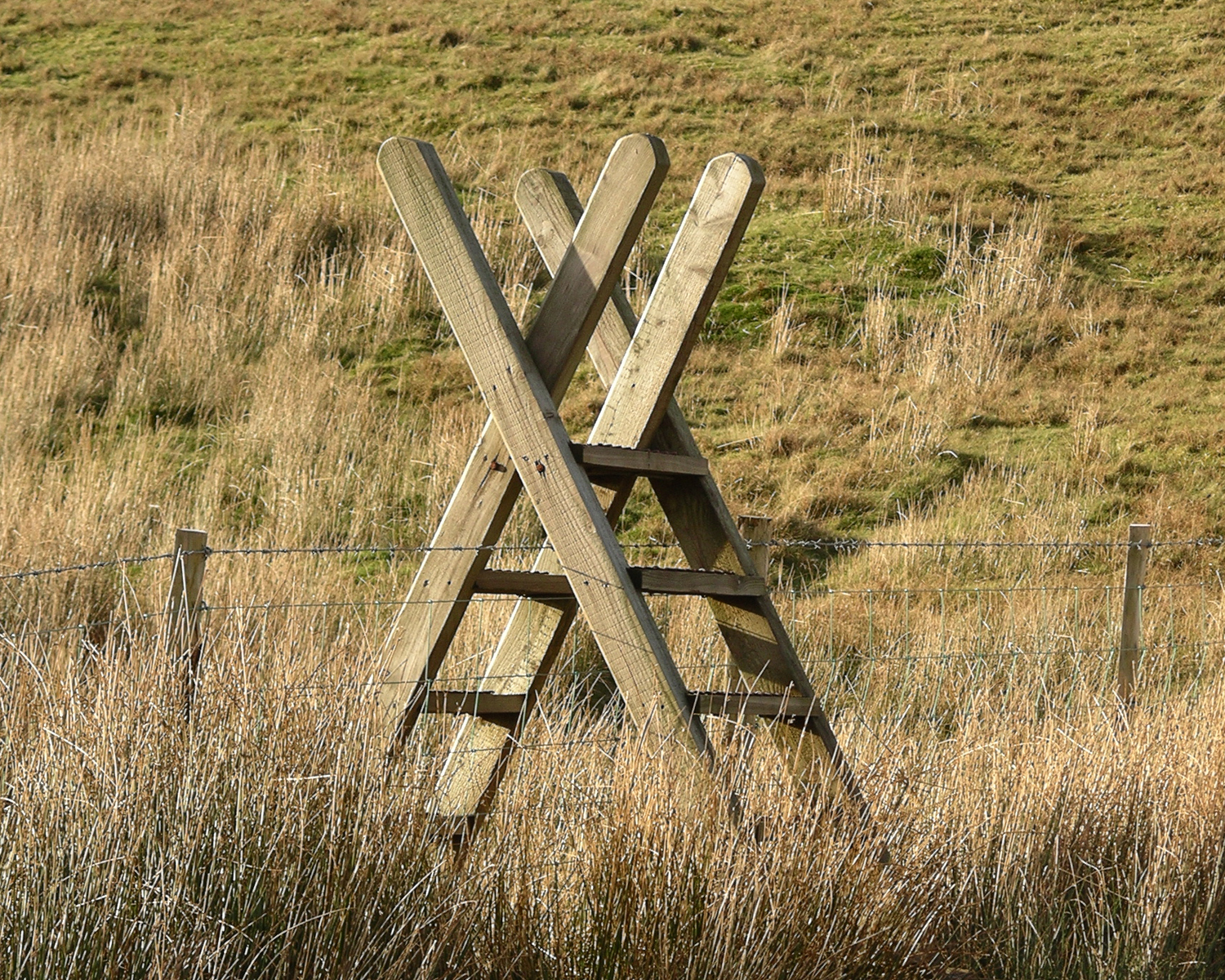
The position of a stile is informative and is rarely arbitrary.
A stile marks a right of way crossing a boundary, and the route it serves is frequently much older than the boundary it crosses.
Two stiles facing each other across a narrow field indicate a path that predates the field, cut straight through when the land was divided.
A stile in a corner rather than in the middle of a boundary indicates a route that followed the edge of something, or a convergence of paths.
A stile that now leads into an impassable hedge or a bare field indicates a route that has fallen out of use while its legal status persisted.
And a line of stiles across several fields, all aligned, traces a path that is still legally there even where the ground shows nothing.
That persistence is the point. The stile is a physical record of a right that survives changes of ownership, of land use and of field pattern.
There is a maintenance point worth adding. Stiles wear at the point of most use – the top step, the edge where hands grip – and an old one frequently shows a polished hollow where generations of boots and hands have passed.
That wear is a direct measure of how well used the route was.
The Problem With All of Them
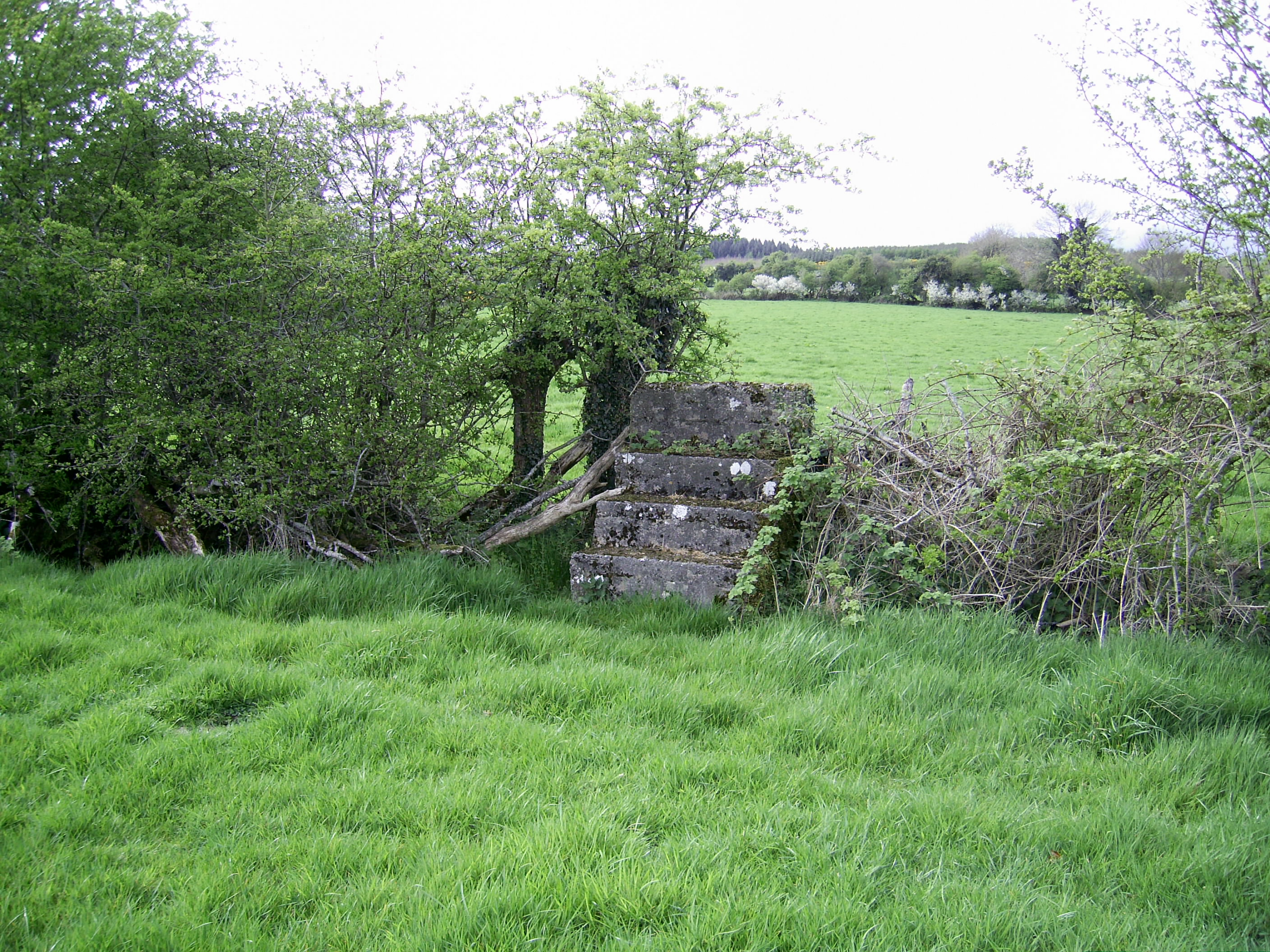
The limitation is significant and has driven most recent change.
Climbing a stile requires a degree of mobility, balance and strength, and a substantial number of people cannot do it — which means a route with a stile on it is closed to them regardless of any legal right to walk it.
Carrying anything makes it harder, and a person with a child, a pushchair or a dog faces an obstacle rather than a crossing.
Stone steps become slippery, timber rots, and a stile in poor repair is more hazardous than the boundary it crosses.
That has produced a steady shift toward gates, including self-closing ones, wherever a path is being maintained or improved, because a gate serves everybody who a stile serves and a good many who it does not.
The argument against is cost, maintenance and the risk of being left open, which is why the change is gradual rather than universal.
There is a waymarking point worth noting. Stiles are frequently the place where route markers are fixed, because they are the fixed structure on the line of a path.
A stile with no marker on a route that has them is worth a second look.
What They Are Made Of
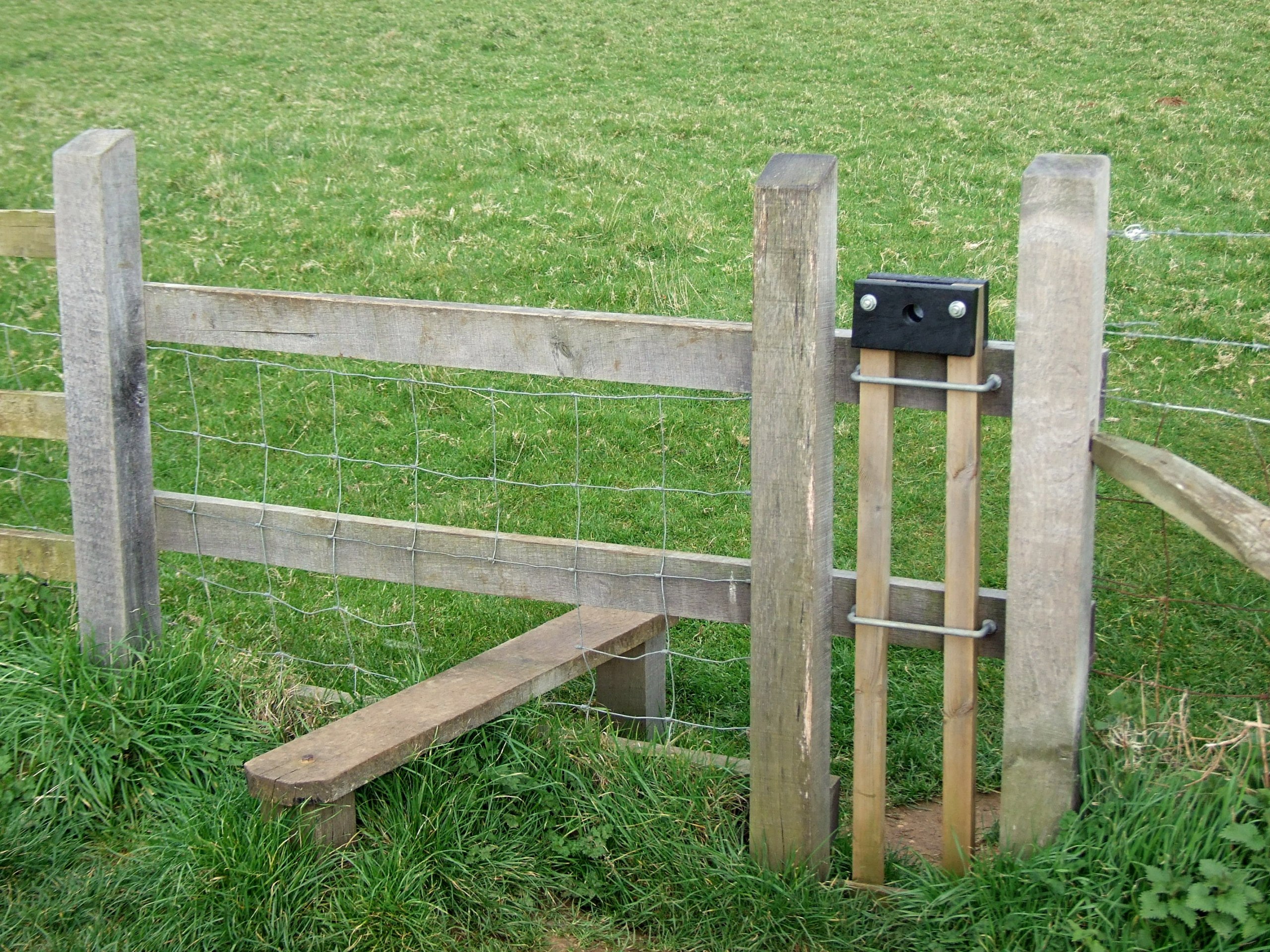
The material is local, which is why stiles vary so strongly by region.
Where stone is abundant and timber is scarce, stiles are built of stone, using the same material and frequently the same technique as the walls they cross.
Where timber is plentiful, stiles are framed and stepped in wood, which is quicker to build and needs replacing within a generation.
Metal appears where both were expensive or where durability mattered more than cost, and metal stiles and gates now dominate new installation.
The fixings tell a story too, since a stile rebuilt with modern fasteners in an old form indicates maintenance of something that was worth keeping in its original shape.
That regional variation means a stile is one of the more reliable indicators of where you are, in a landscape where a great many other features have become uniform.
The Gates That Go With Them
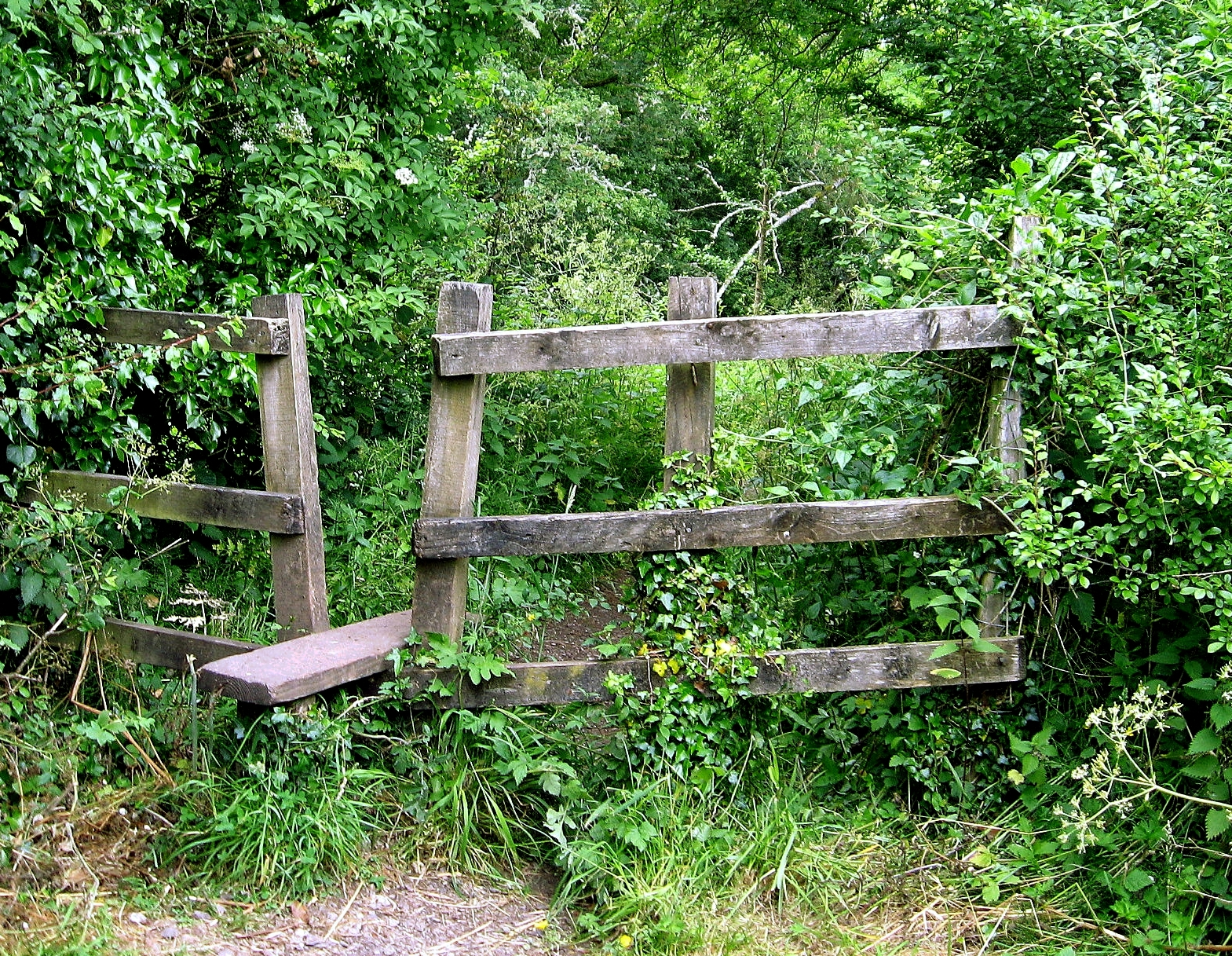
Gates deserve their own treatment, because they solve the same problem differently and their details are equally readable.
A gate hung slightly out of vertical will swing closed or open under its own weight, and which way it hangs indicates what was wanted — self-closing for livestock, self-opening for a route in constant use.
The latch design indicates who was expected to use it. A simple lift latch suits anybody; a catch requiring two hands suits a place where animals were pushing at it; and a spring arrangement suits a path with walkers who could not be relied on to close it.
Width indicates what had to pass. A narrow gate is for people and animals on foot; a wide one is for carts or machinery, and a widened opening in an old wall shows when equipment changed.
Hanging posts are the largest timbers or stones in a boundary, because the whole weight of a gate hangs off one point, and an old hanging post frequently survives long after the gate itself has gone.
A gap with two substantial posts and nothing between them is therefore a gateway, and its position tells you where the route ran even when nothing else does.
Why Any of This Is Interesting
The general point concerns how rights become physical.
A right of way is an abstraction — a legal entitlement to pass over somebody else’s land — and it has no physical existence at all.
The stile is where that abstraction becomes an object: somebody built a structure, at a cost, because a right existed that had to be honoured.
That is why stiles persist in places where nobody walks, why they are maintained under obligation rather than by choice, and why removing one is not a matter of tidying up.
It also means the network of them records a pattern of movement that is frequently invisible otherwise — where people went, between which places, and often enough why.
Which makes the thing you climb over without looking one of the more information-dense objects in the countryside: a small structure built to resolve a contradiction, in local material, marking a route somebody else established a very long time ago.
And that is what makes them worth noticing. Almost nothing else in an ordinary field was built to honour an obligation to strangers, and the stile is there because somebody had to let people through whether they wanted to or not.
Like our content? Follow us for more.